Basic knowledge of congratulatory fans|Main types, correct usage, and 6 popular congratulatory fans
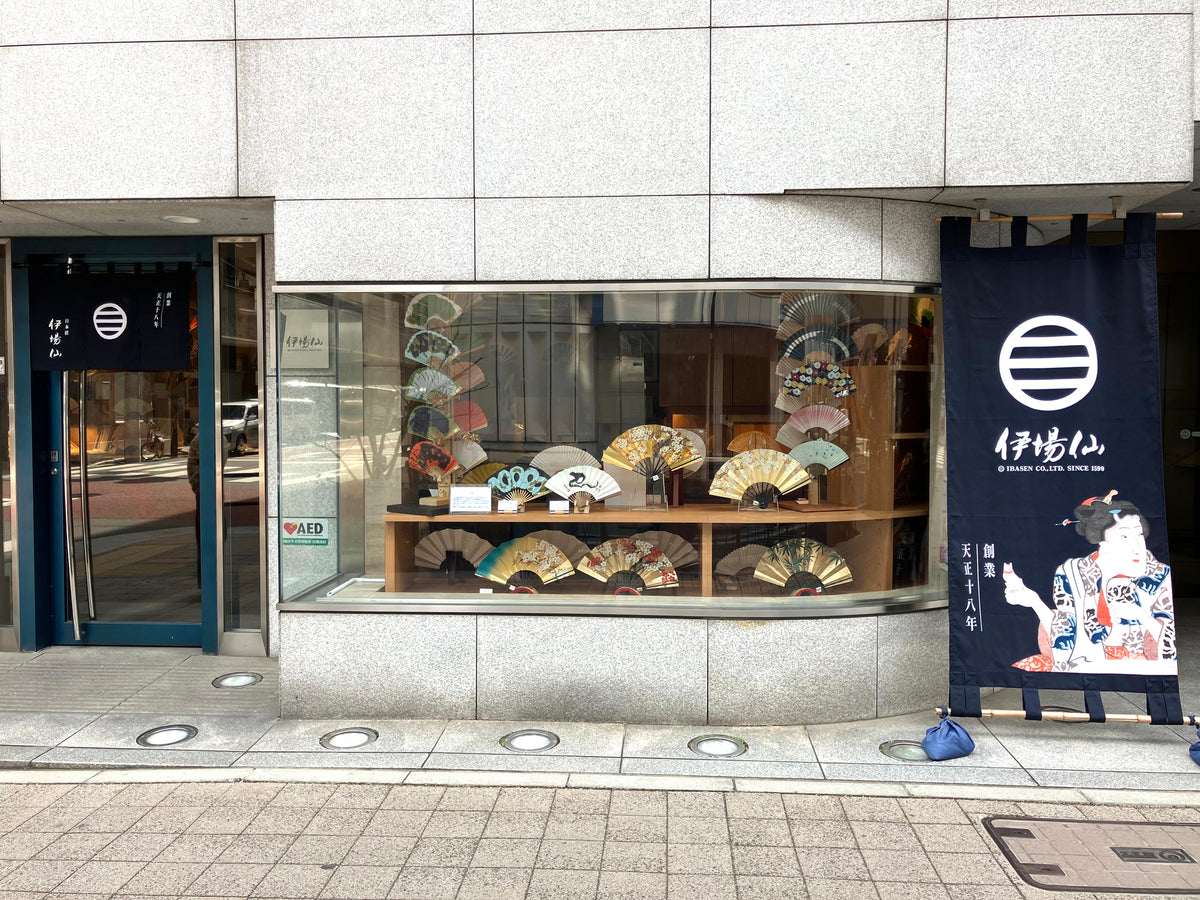
folding fanShugi fans have long been considered lucky charms in Japan and have been used on festive occasions. It is called "Shugi Sen (congratulatory fan)" at weddings and other celebratory occasions.folding fanis used as a small accessory. If you are wearing a formal kimono, please prepare a congratulatory fan as well. This article describes the characteristics of the fan and the generalfolding fanand the manner in which it should be used at festive occasions. It also includes a wide variety offolding fanof long-established stores that handleIbasenWe hope you will find it useful in preparing for your celebration.
Basics of Ceremonial Fans
In what kinds of situations are “celebratory fans” (shūgi-sen or shūgi-ōgi) used? First, we’ll explain the characteristics and types of celebratory fans. If you’re looking for folding fan to use at a celebratory gathering, please use this as a reference.
What Is a "Shukugi-ogi"?
A shūgi-sen is folding fan slightly smaller, formal folding fan used at celebratory occasions. It is pronounced “shūgi-sen” or “shūgi-ōgi.” Shūgi-sen are also sometimes called “shūgi-folding fan” or “suehiro.”
There is a significant difference in how a shūgi-sen is used compared to folding fan standard folding fan (i.e., folding fan summer folding fan).Summer folding fan are primarily used to cool oneself by opening the fan and waving it. In contrast, ceremonial fans are tucked into the obi or held in the hand during formal occasions, but folding fan are not opened and waved. folding fan are generally used while kept closed. We’ll discuss the specific usage of ceremonial fans in more detail later, so please be sure to read on.
Ceremonial fans are used at celebratory events because their shape—which widens toward the ends—is considered auspicious. folding fan with this gradually widening shape have long been imbued with meanings such as “prosperity” and have been used as lucky charms. Even today, they are used in celebratory settings, particularly at weddings.
Types of Ceremonial Fans
Celebratory fans are generally divided into types for women and types for men. Since their designs differ, be sure to choose one that suits your purpose.
- For Women
Celebratory fans for women often feature a gold or silver background with black-lacquered ribs. They are primarily used to complement formal kimono worn at ceremonies such as weddings.Specific examples include the black tomesode—the highest-ranking formal kimono for married women—as well as the iro-tomesode and houmongi, which are semi-formal kimonos. Some women’s ceremonial fans also feature white ribs or ribs decorated with maki-e lacquer work. These designs are often paired with kimonos other than the black tomesode.
- For Men
For men, celebratory fans typically feature a simple design with bamboo ribs and white paper. These are called “hakusen” (white fans). When wearing traditional Japanese attire, a white fan is paired with the highest-level formal wear: a black ha-ni-ju kimono with five family crests (kuro-mon-tsuki).It is also possible to choose a white fan designed for Western attire (a “morning fan”) to pair with a morning coat, which is the formal Western attire. Men’s ceremonial fans can be used with both traditional Japanese and Western attire.
6 Popular Gift Fans
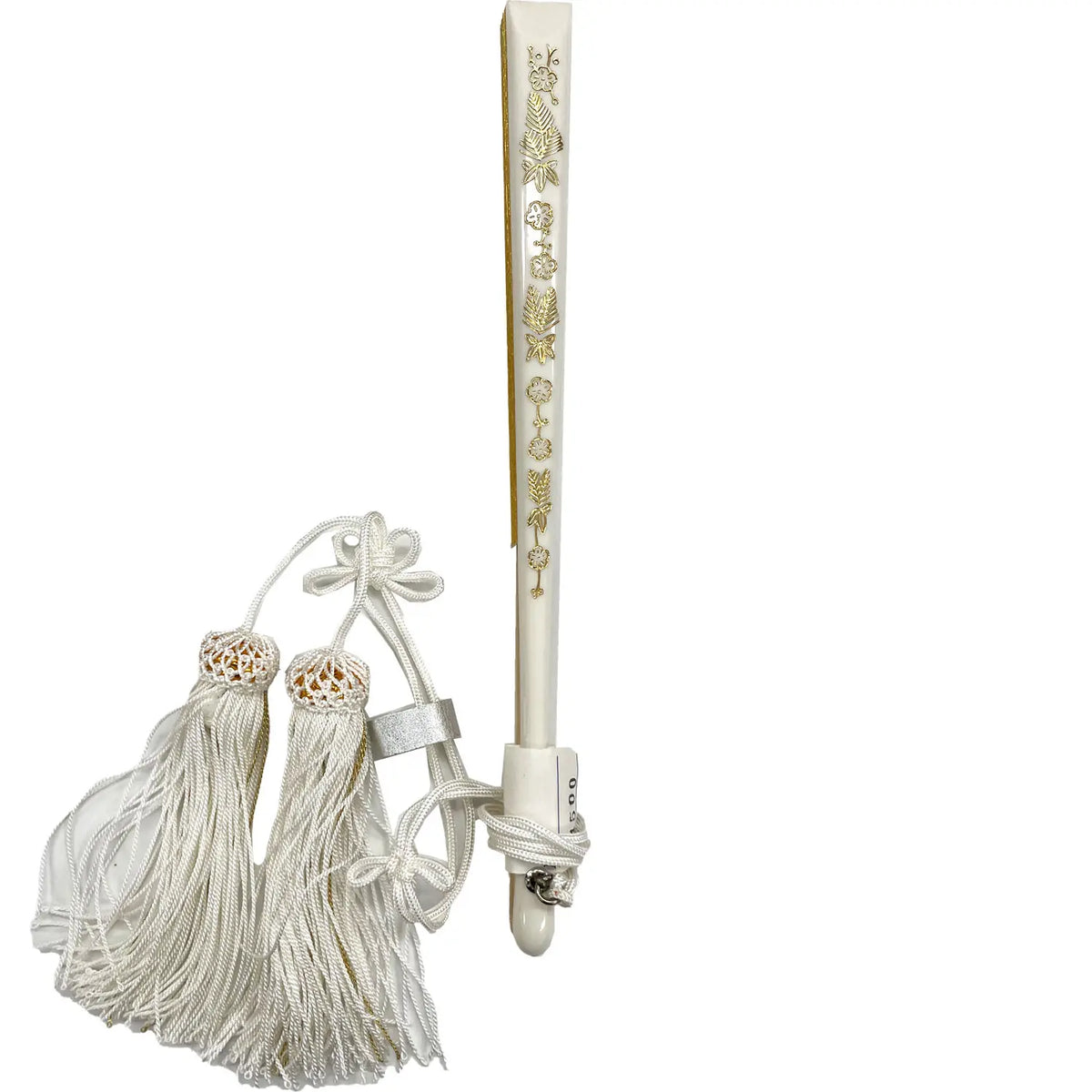
Bride's Fan
in bunches
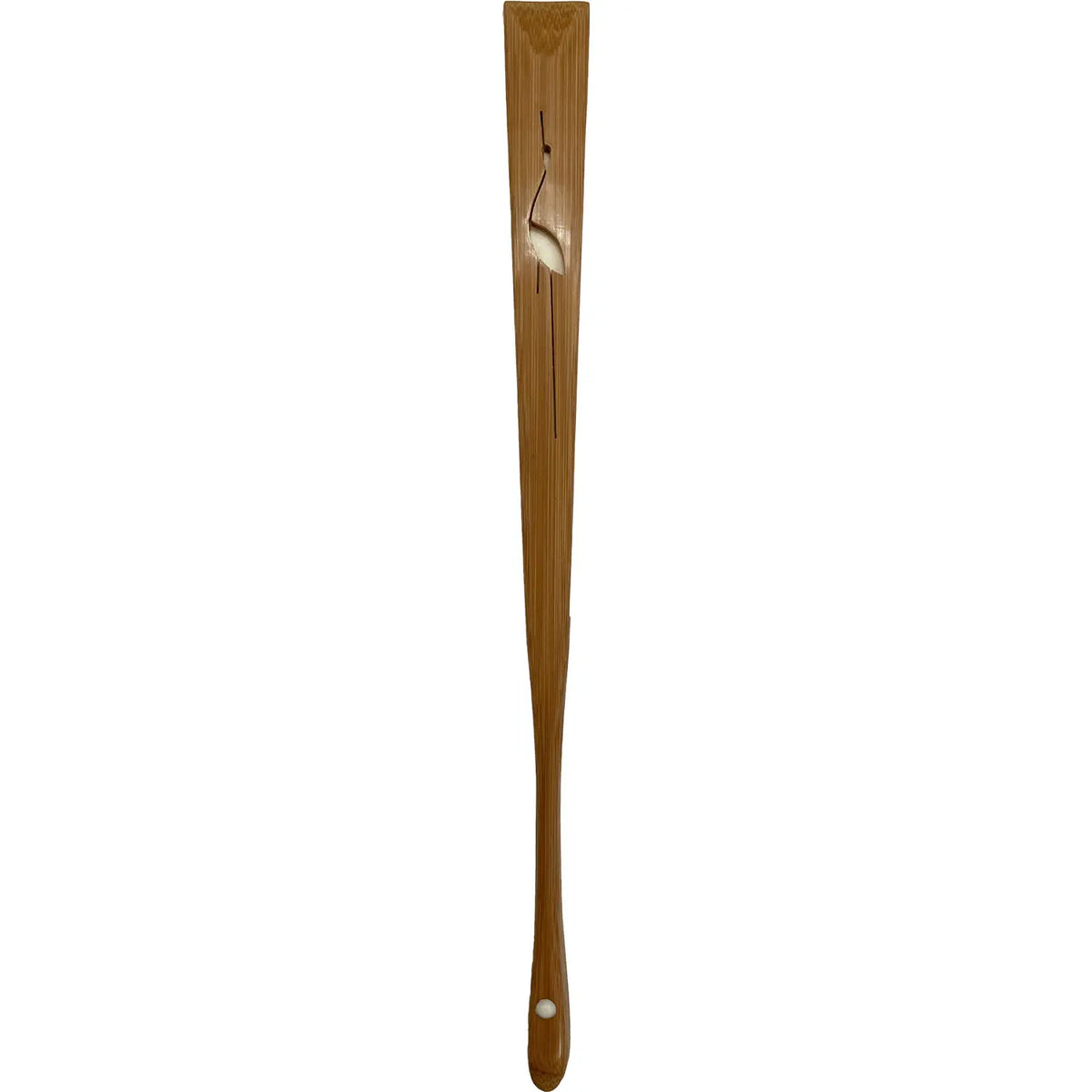
Morning Ogi
For Men
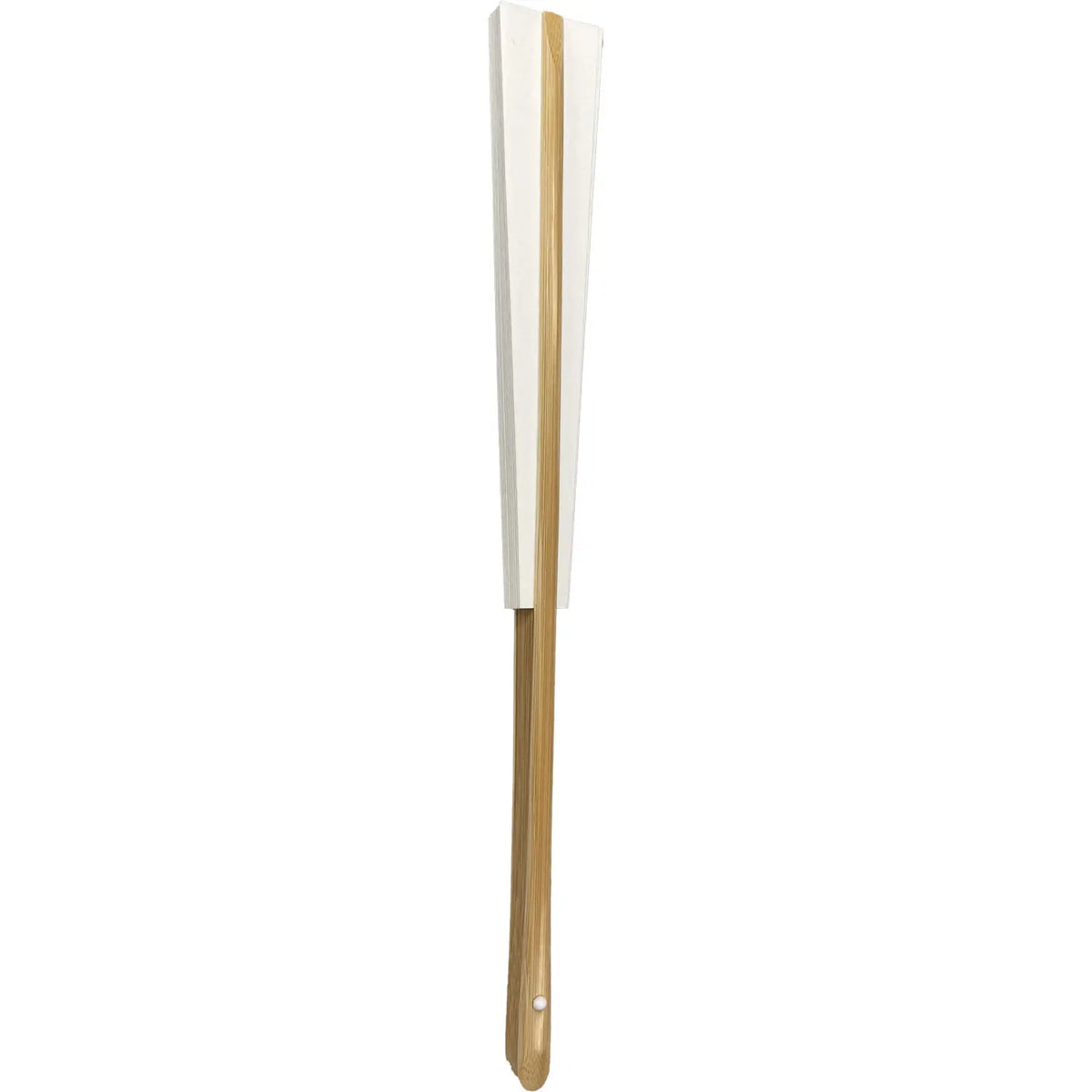
White Fan, 9 sun
For Men
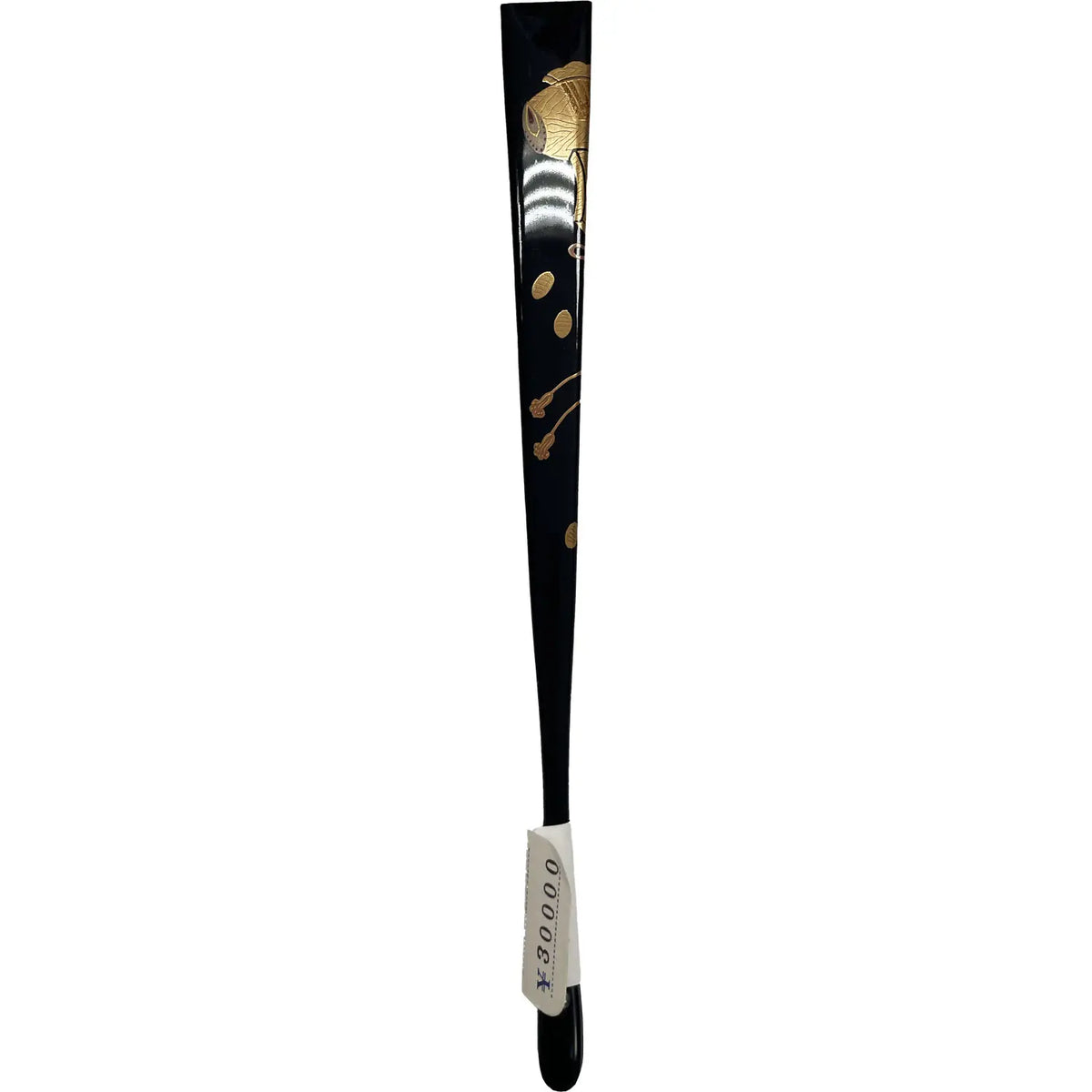
Lacquerware Mallet
For Tomesode
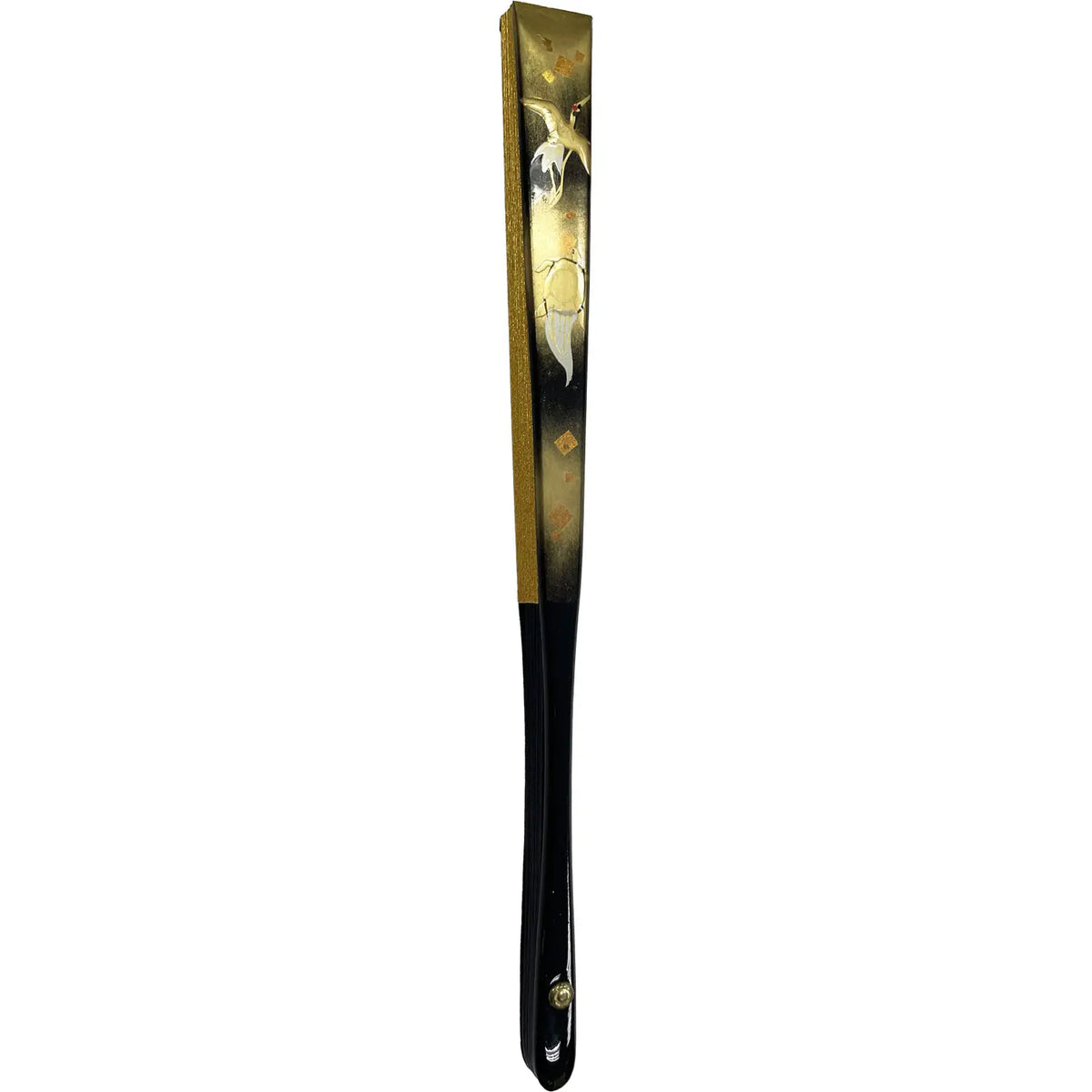
Maki-e: Crane and Tortoise
For Tomesode
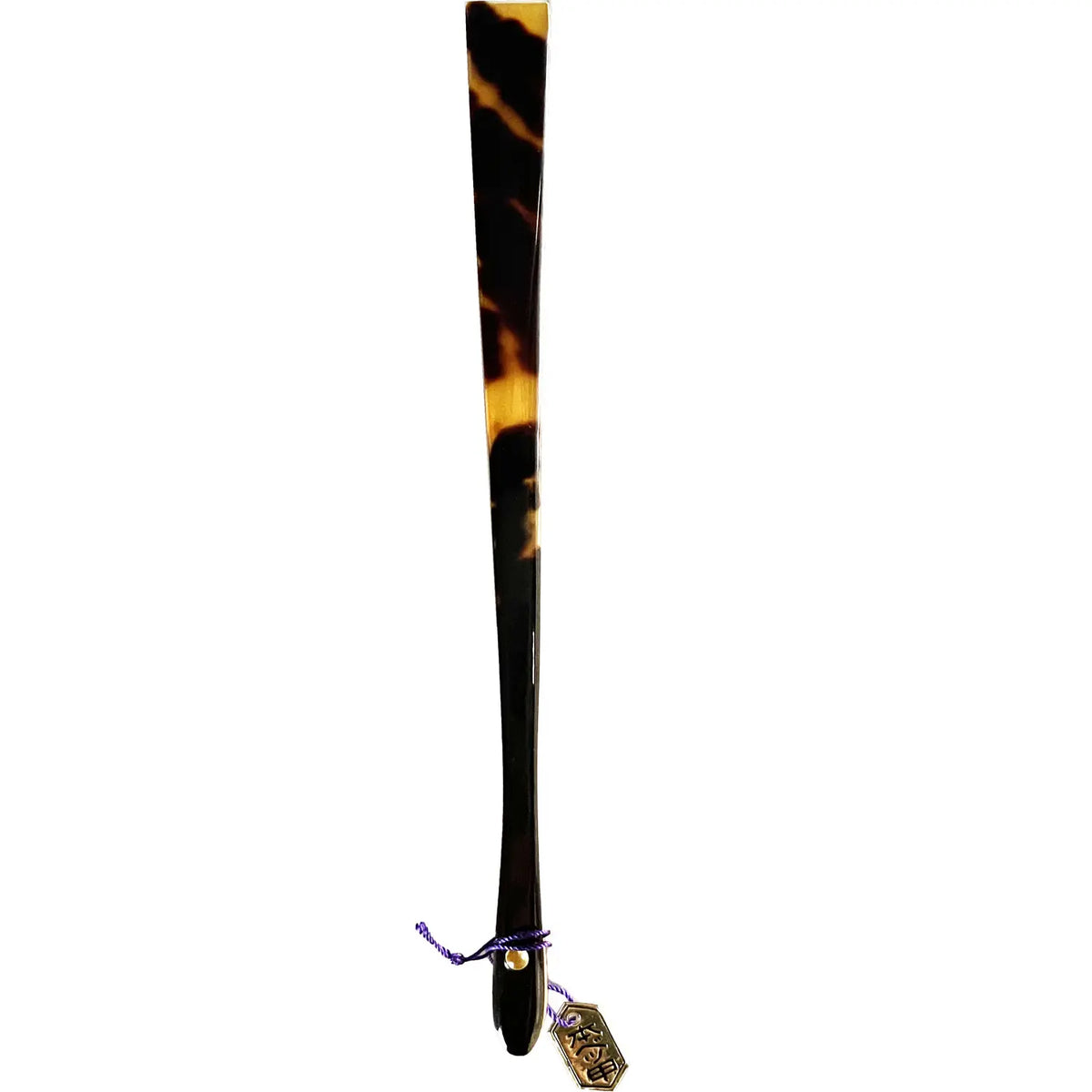
Tortoiseshell and Pure Gold
For Tomesode
The Proper Way to Use a Ceremonial Fan
If you plan to wear a formal kimono for a celebratory occasion such as a wedding, please be sure to bring a ceremonial fan as well. Here, we’ll explain the proper way to use a ceremonial fan. When using a ceremonial fan at a celebratory event, keep the following points in mind.
Basic Usage
For women’s kimonos, the ceremonial fan is inserted on the left side of the chest, with the fan’s hinge facing down and the fan tilted slightly. The key is to insert the fan between the obi and the obiage, allowing the tip to protrude about 2–3 cm from the obi.Also, make sure the paper side faces forward. Generally, leave it in this position and remove it only when needed.
For men’s kimono, the ceremonial fan (white fan) is held in the right hand. If you wish to keep your hands free, insert the fan inside the hakama, between the kaku-obi and the kimono. Position it on the left side of the chest with the hinge facing down and tilted slightly so that the paper surface is visible.
Please note that using a ceremonial fan to cool yourself is considered a breach of etiquette. Be careful not to use it like folding fan summer folding fan by opening it wide to fan yourself.
How to Use It During a Standing Bow
At celebratory events such as weddings, there are occasions when you’ll need to offer a greeting while standing. A ceremonial fan is held in your hand during such greetings. Even when used for greetings, the fan should remain closed, so please be careful not to open it.The key to holding a ceremonial fan during a greeting is to hold it with your right hand so that the main rib is at the top, while supporting it from below with your left hand. As a general guideline, hold the fan at a height where folding fan is positioned in front of your navel.
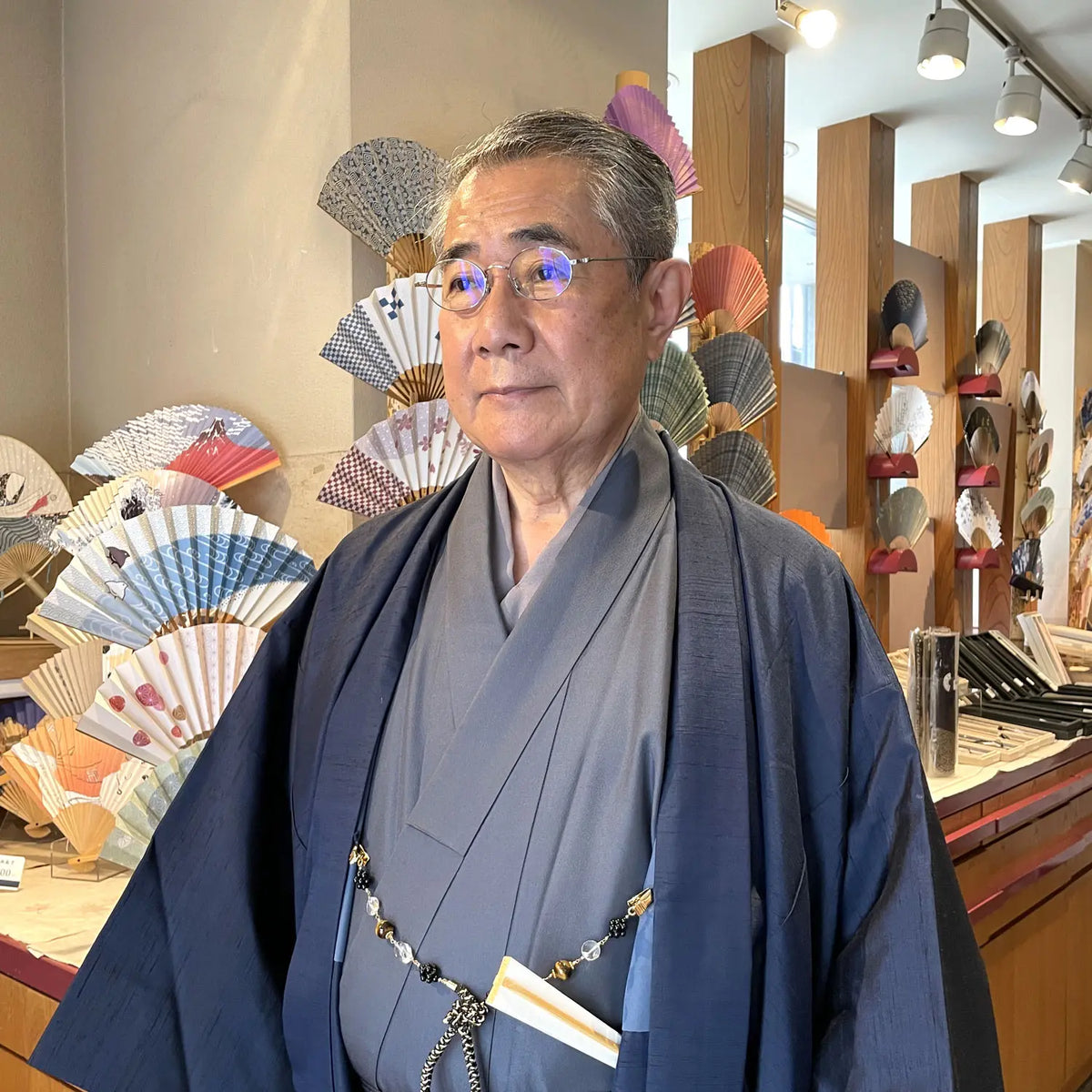
Basic Ways to Use a Ceremonial Fan
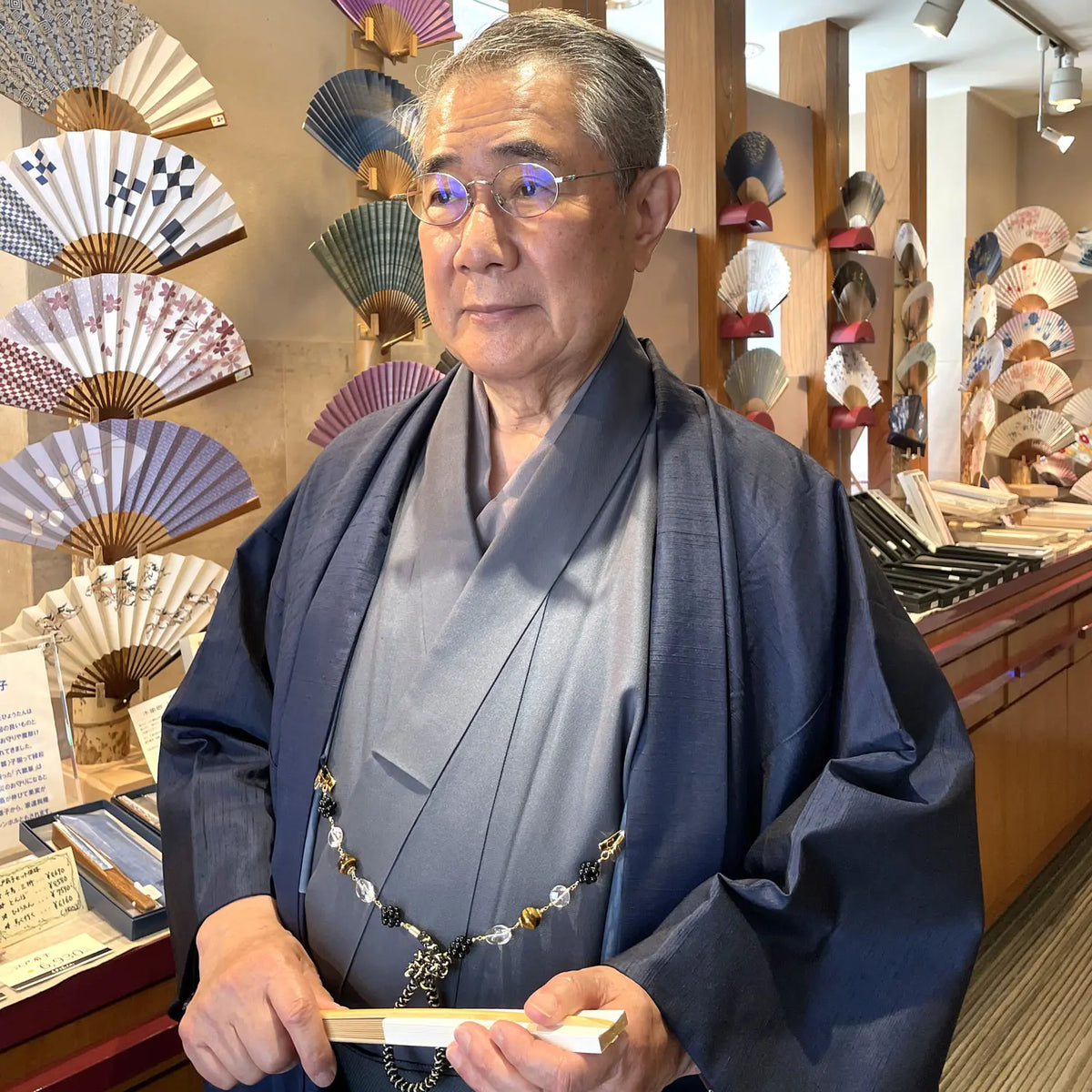
How to Use a Ceremonial Fan During a Standing Ceremony
How to Use It When Bowing While Seated
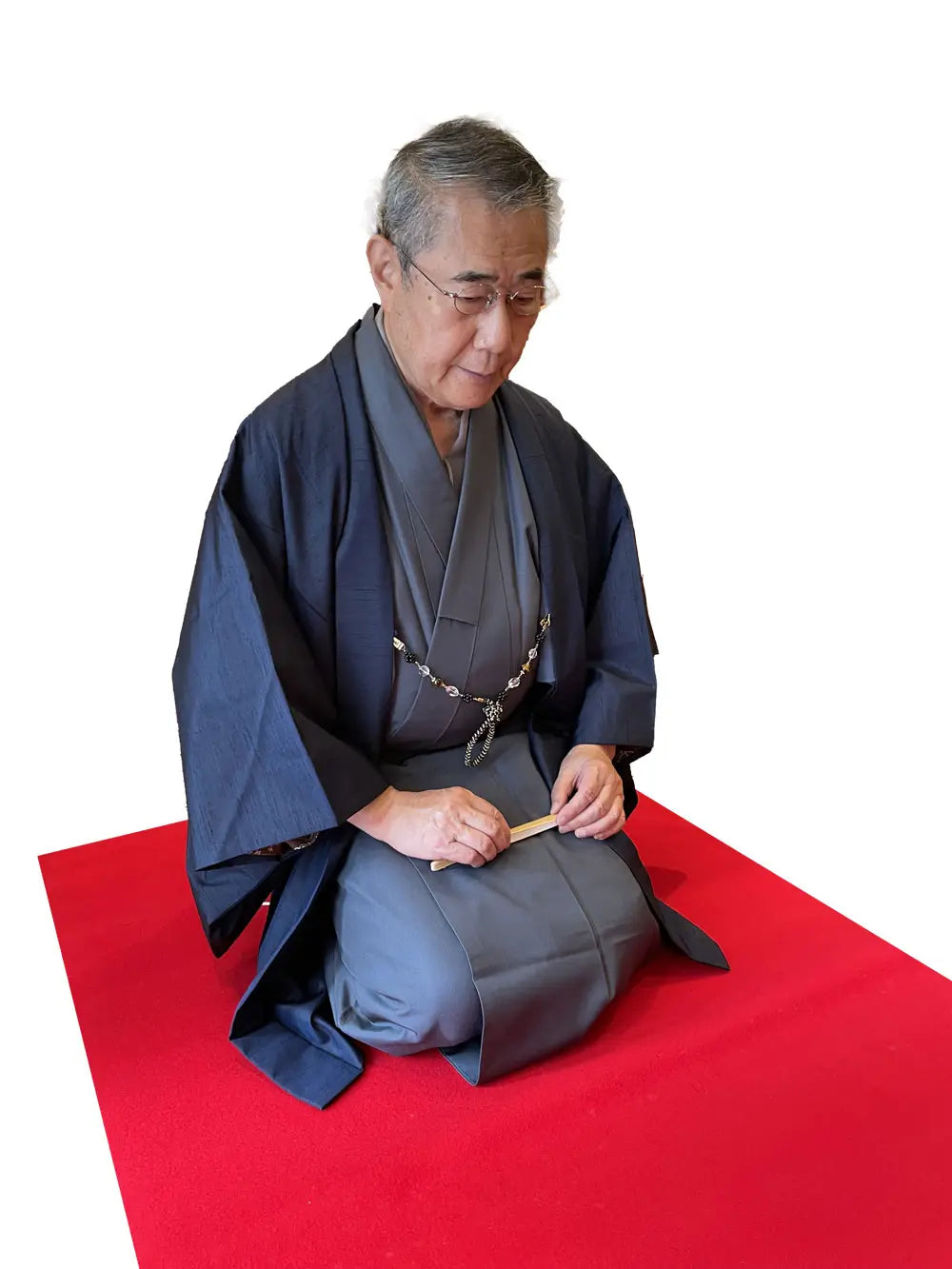
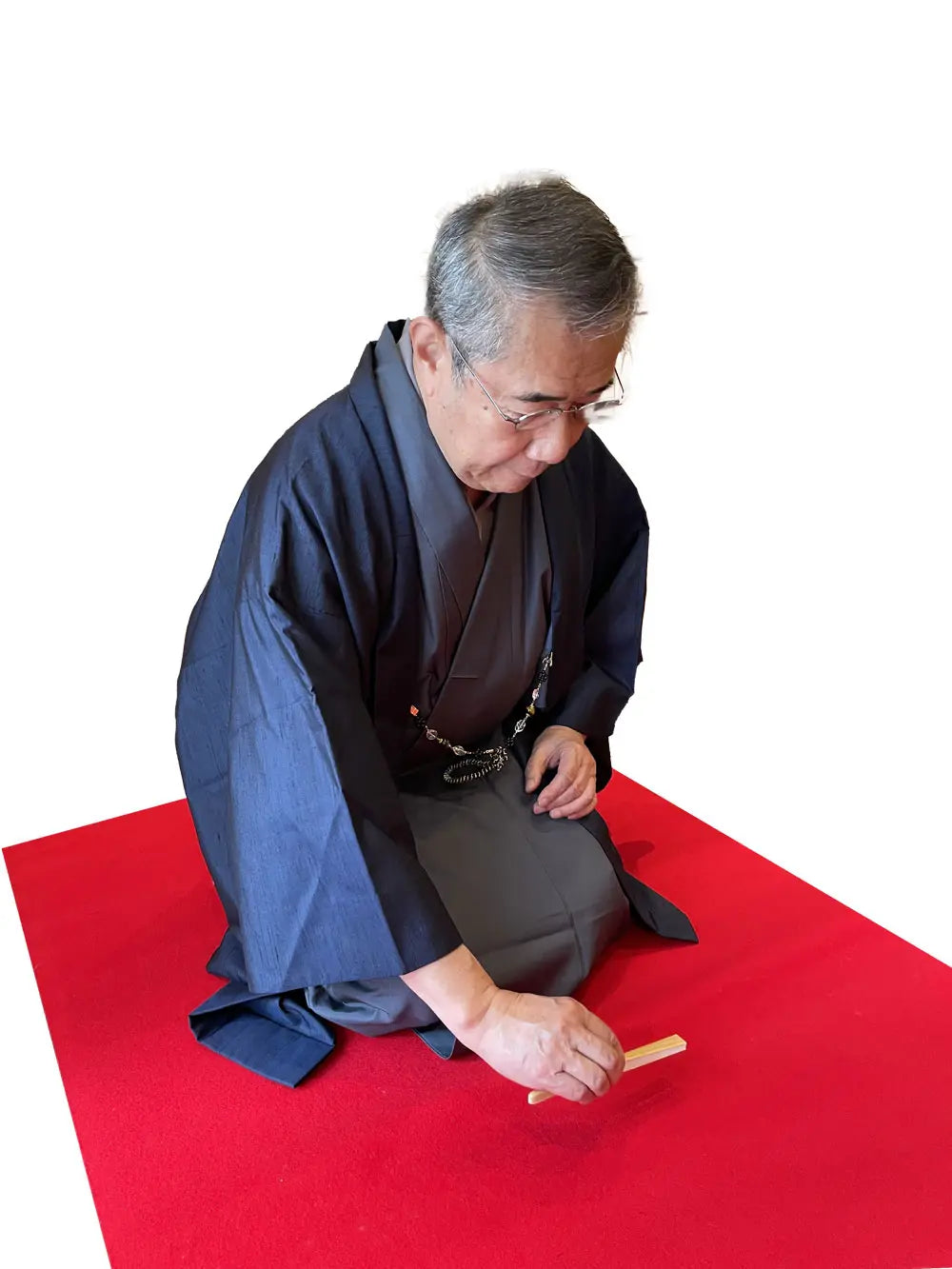
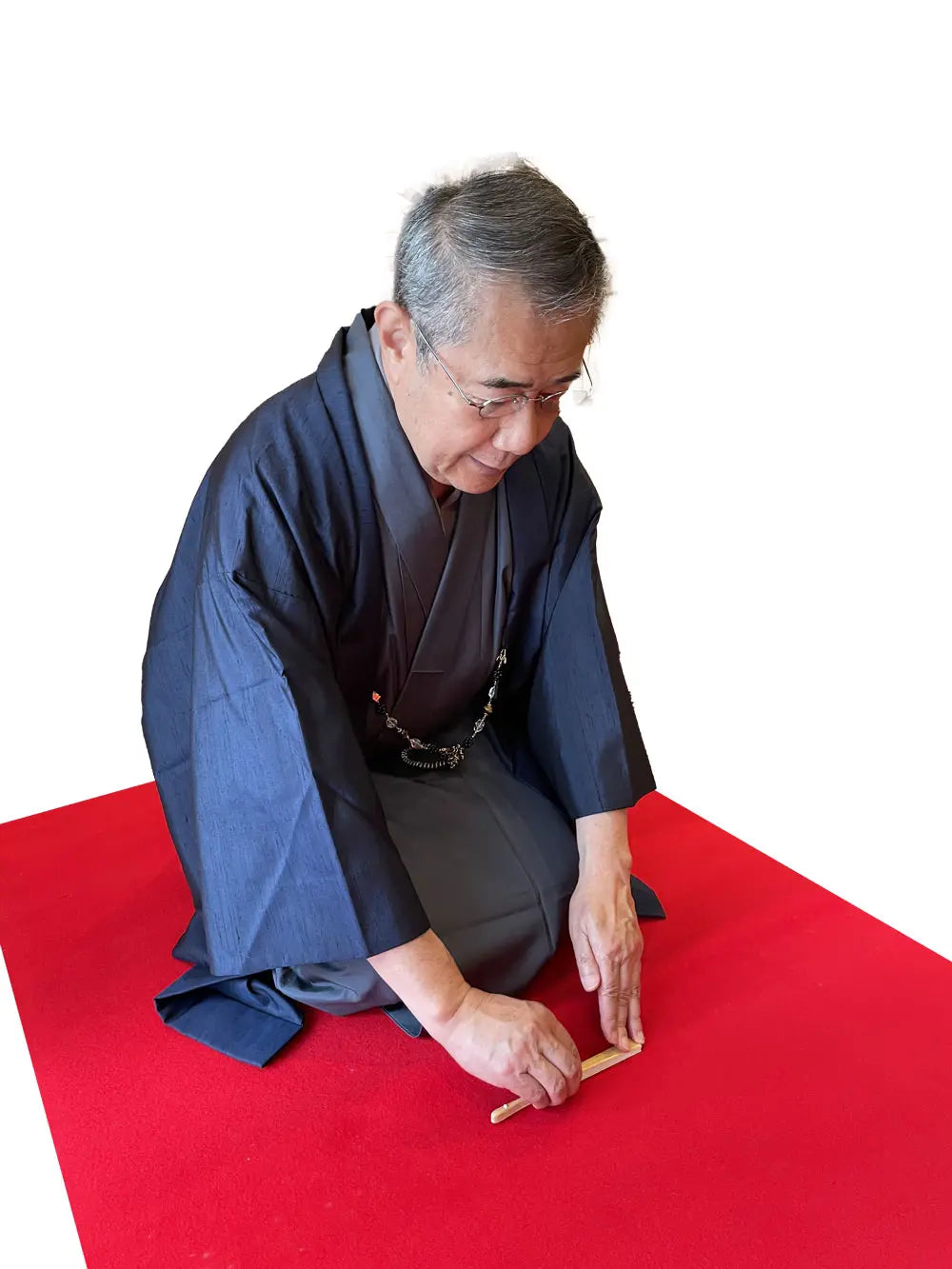
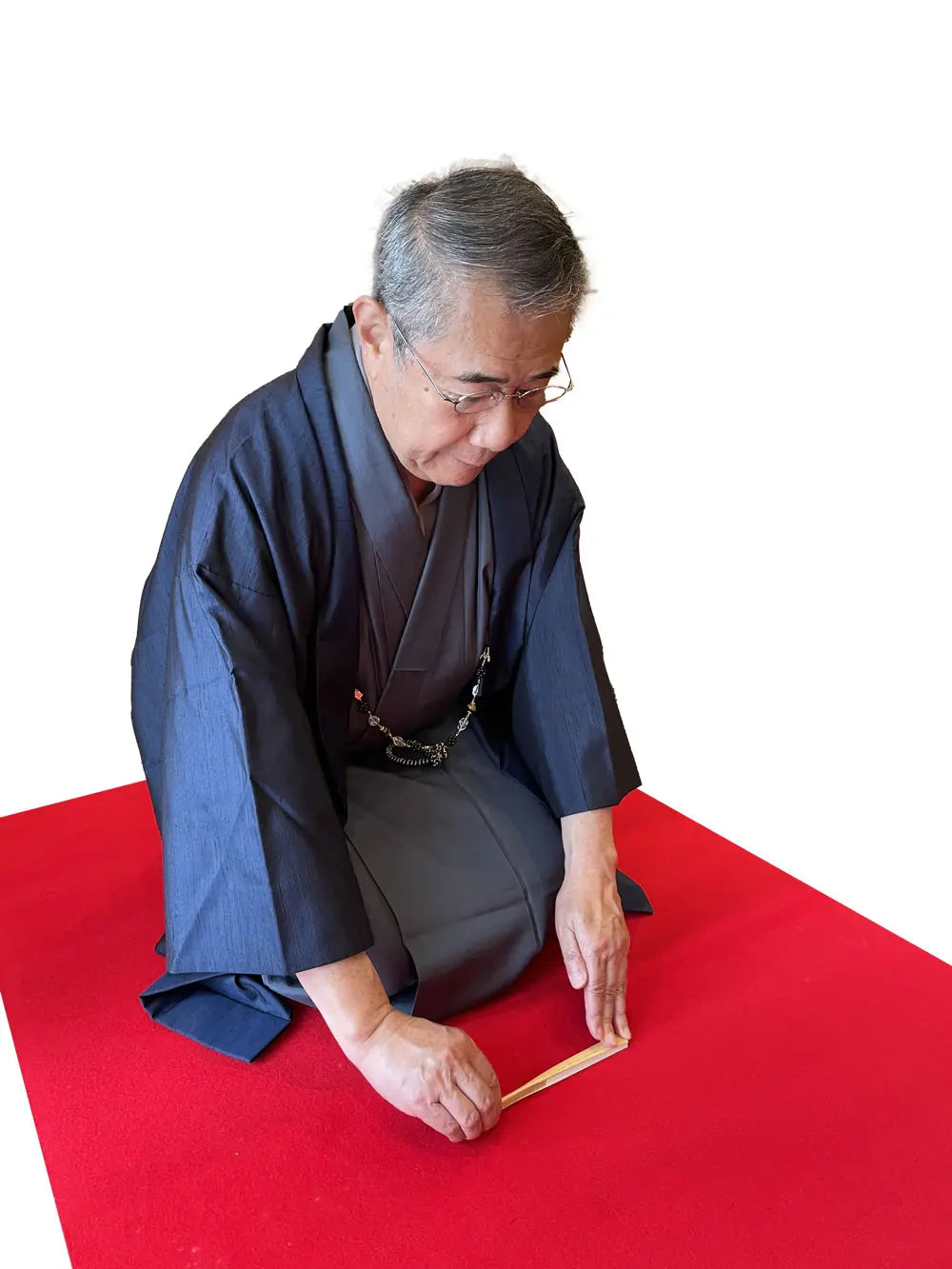
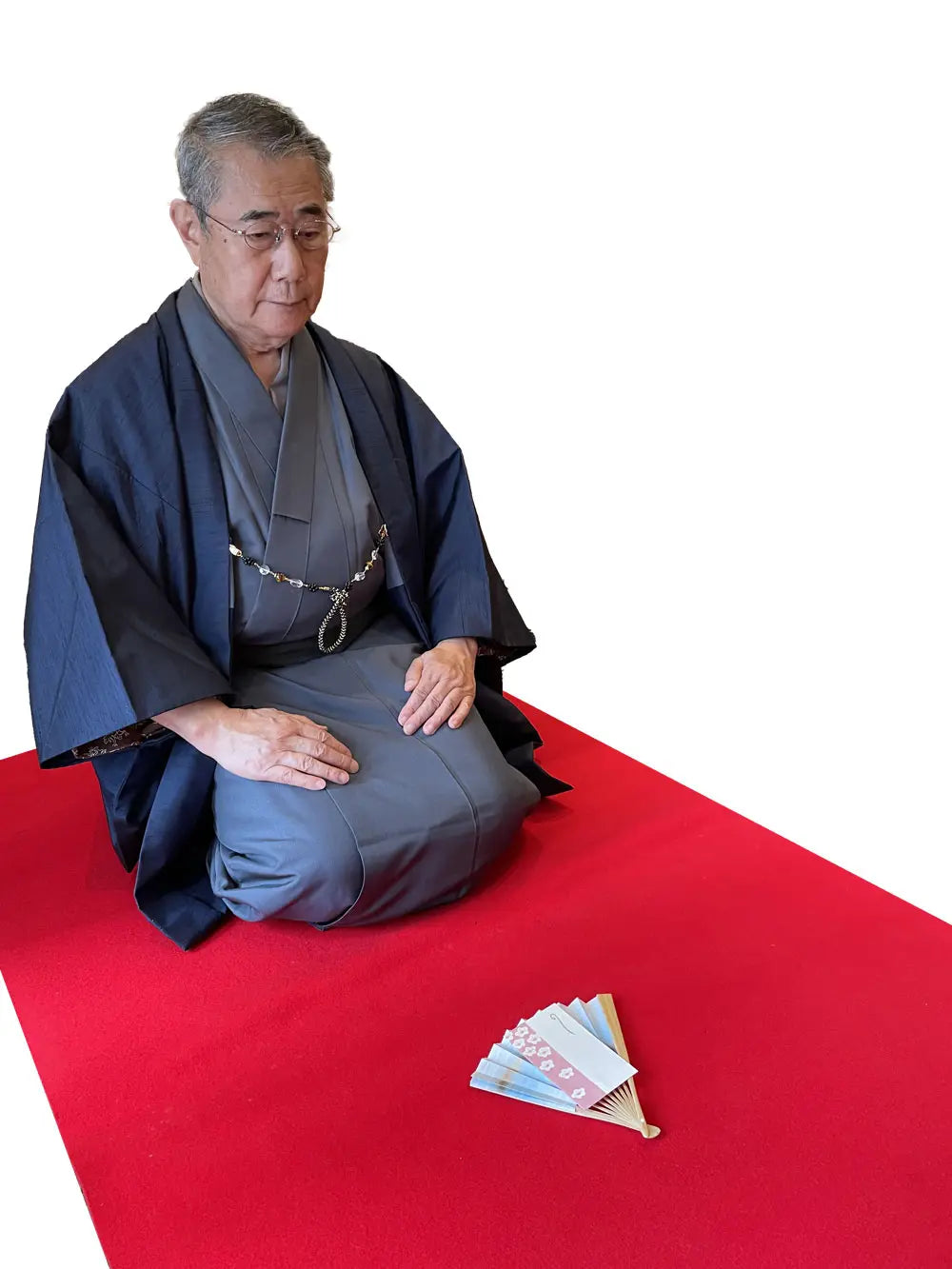
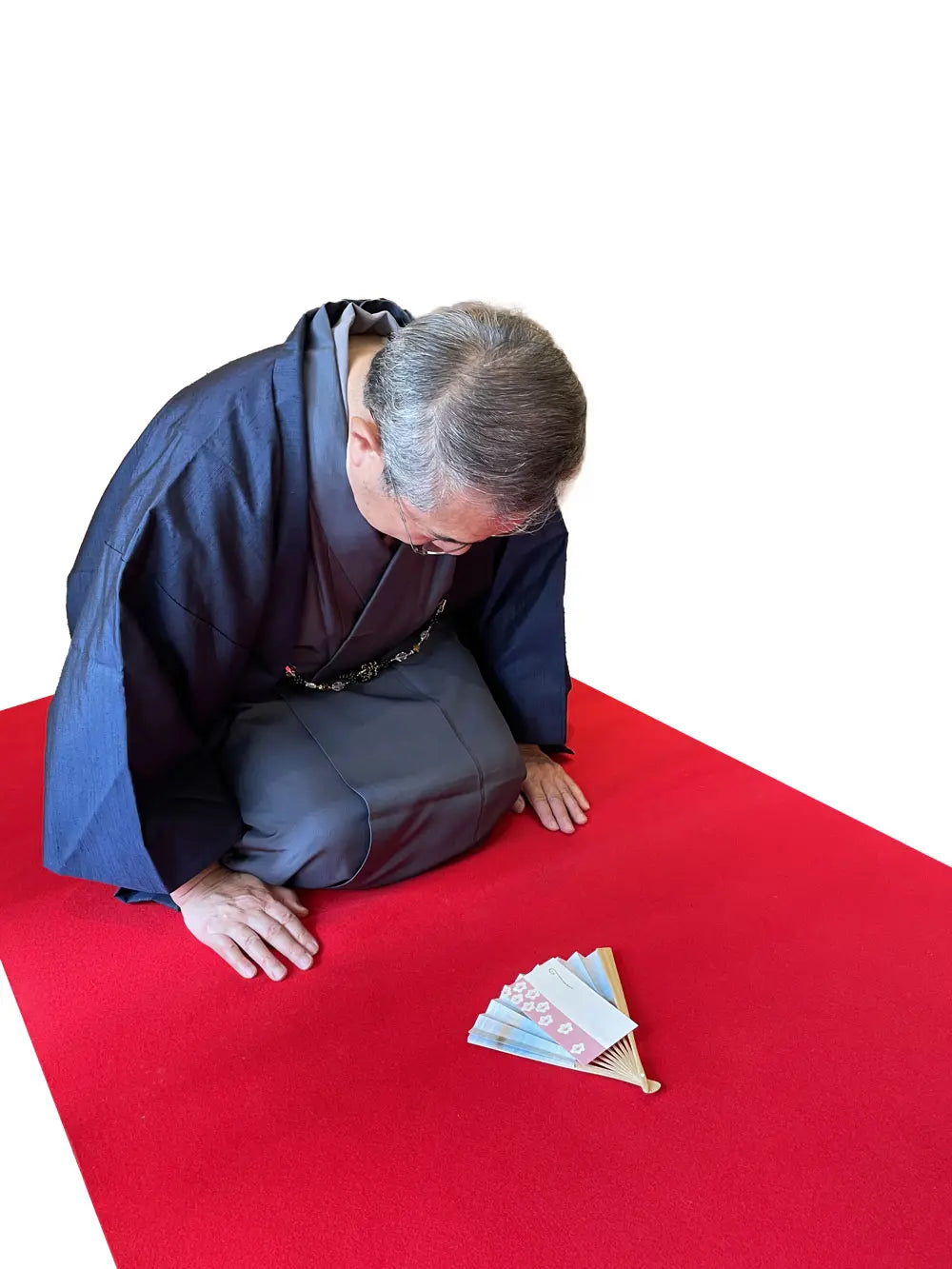
When performing a seated bow, place the ceremonial fan—with its leaves closed—in front of your knees while seated in the seiza position, and then bow. A typical example of using folding fan in this way is folding fan tea folding fan used for greetings during a tea ceremony. On the other hand, in recent years, chairs are often provided at wedding venues, so there are few opportunities to use a ceremonial fan during a seated bow.
How to Use It During Seated Bows: The Example of a Tea Fan
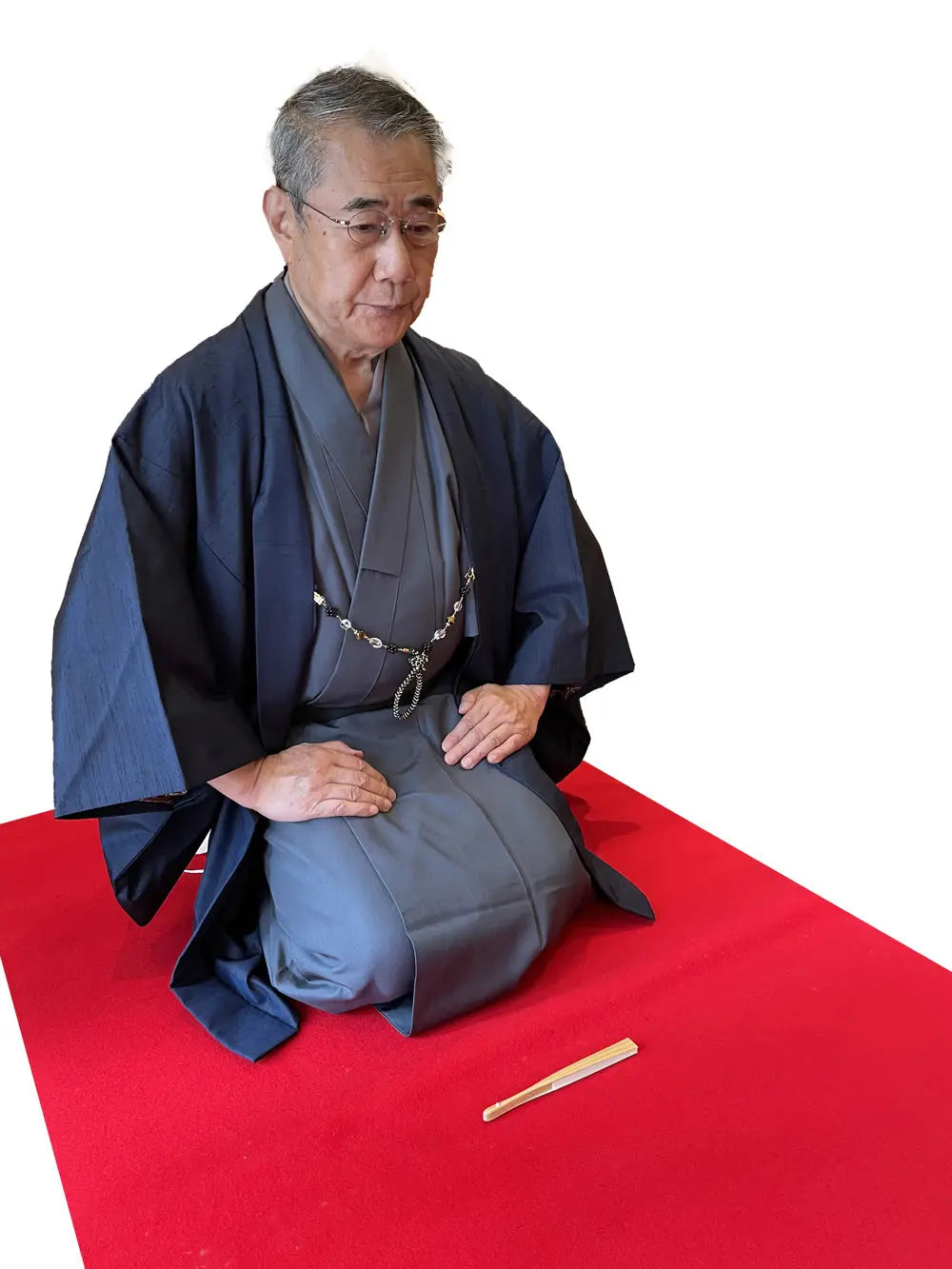
Special Uses
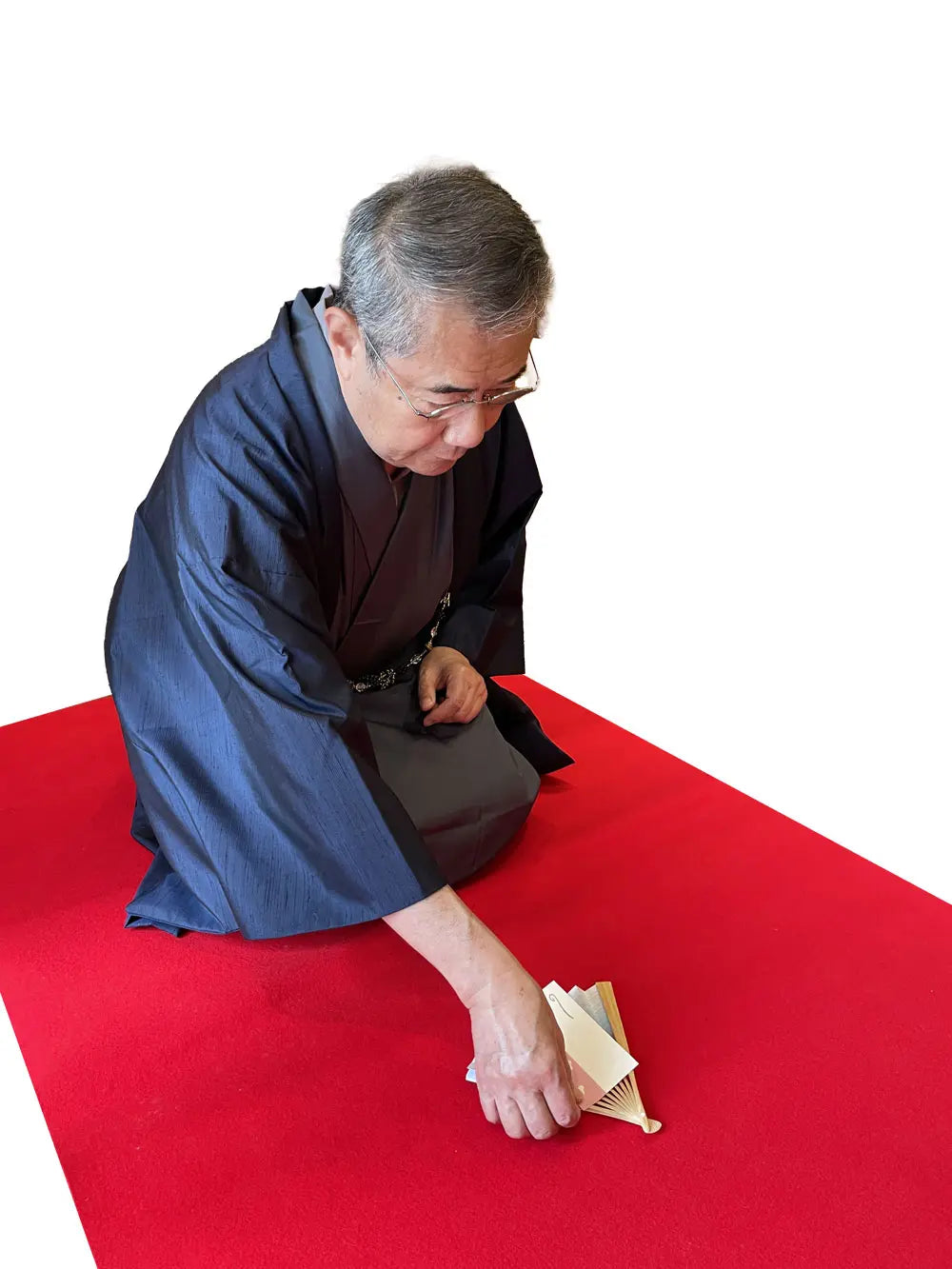
Gift fans are generally used without opening them, but as an exception, they may be opened when used as a tray to hold items. In such cases, the gift—such as a monetary gift—is placed on the open fan before it is presented.
When Using a Tea Fan as a Stand: Monthly Tuition, etc.
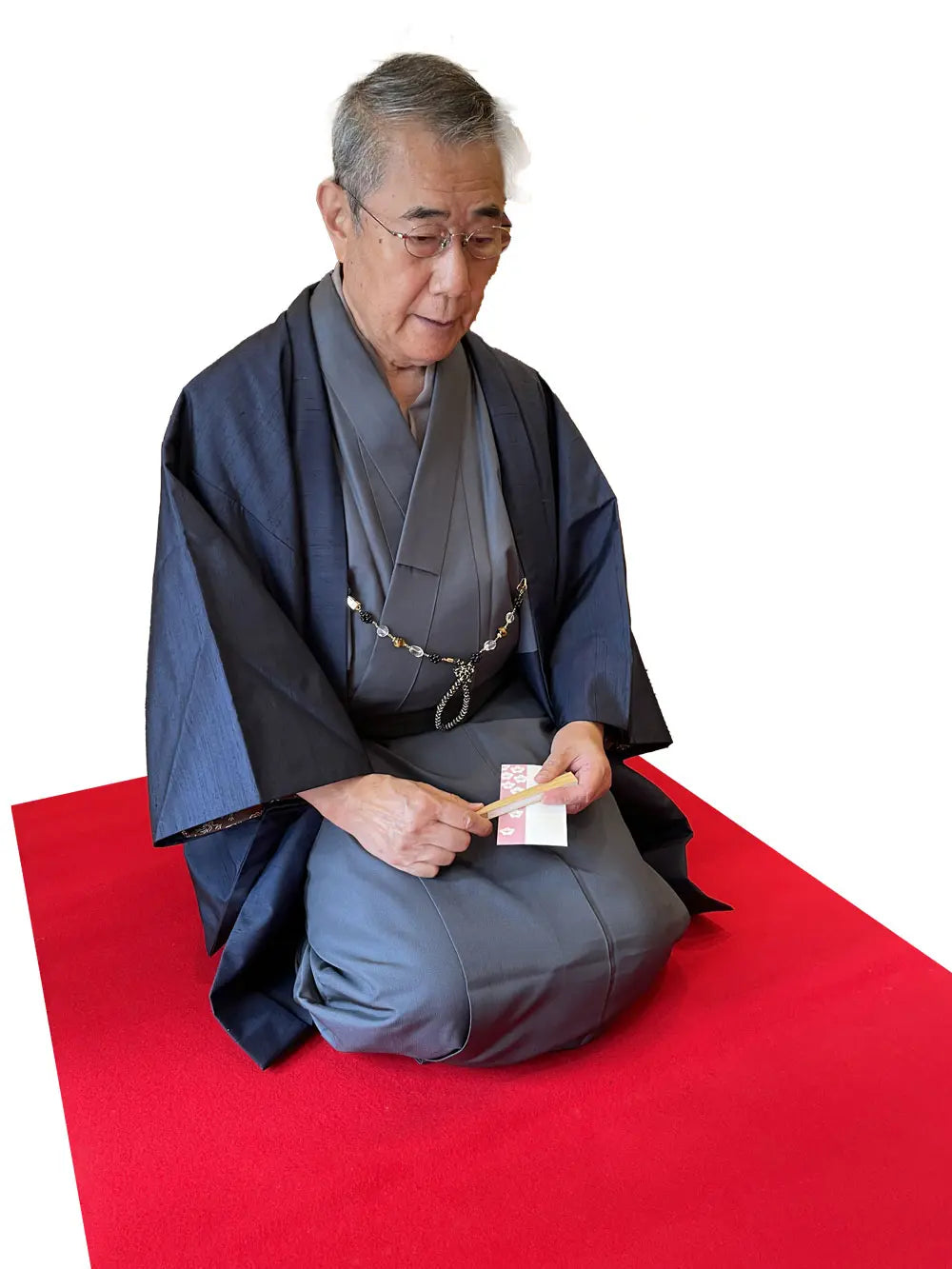
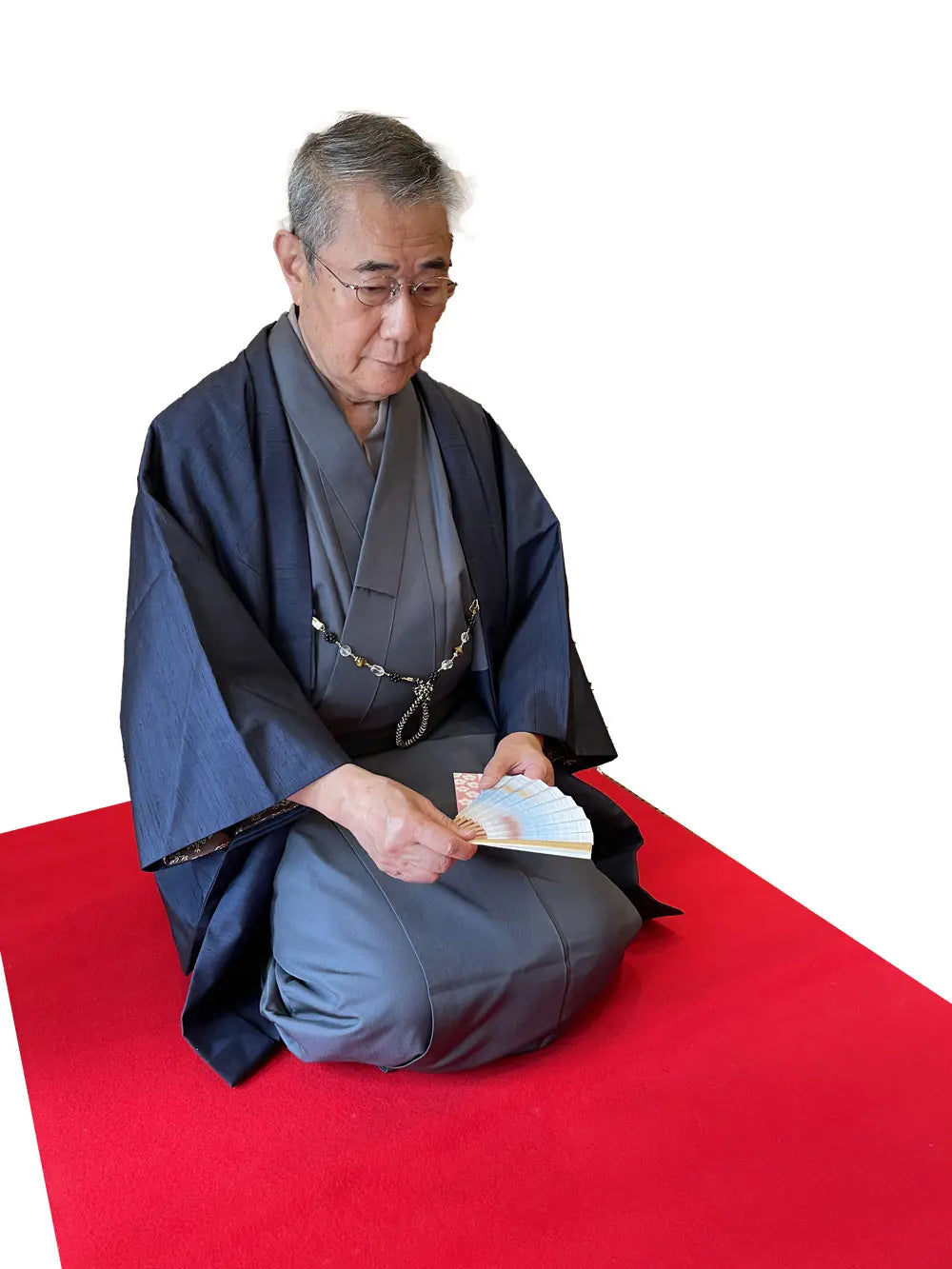
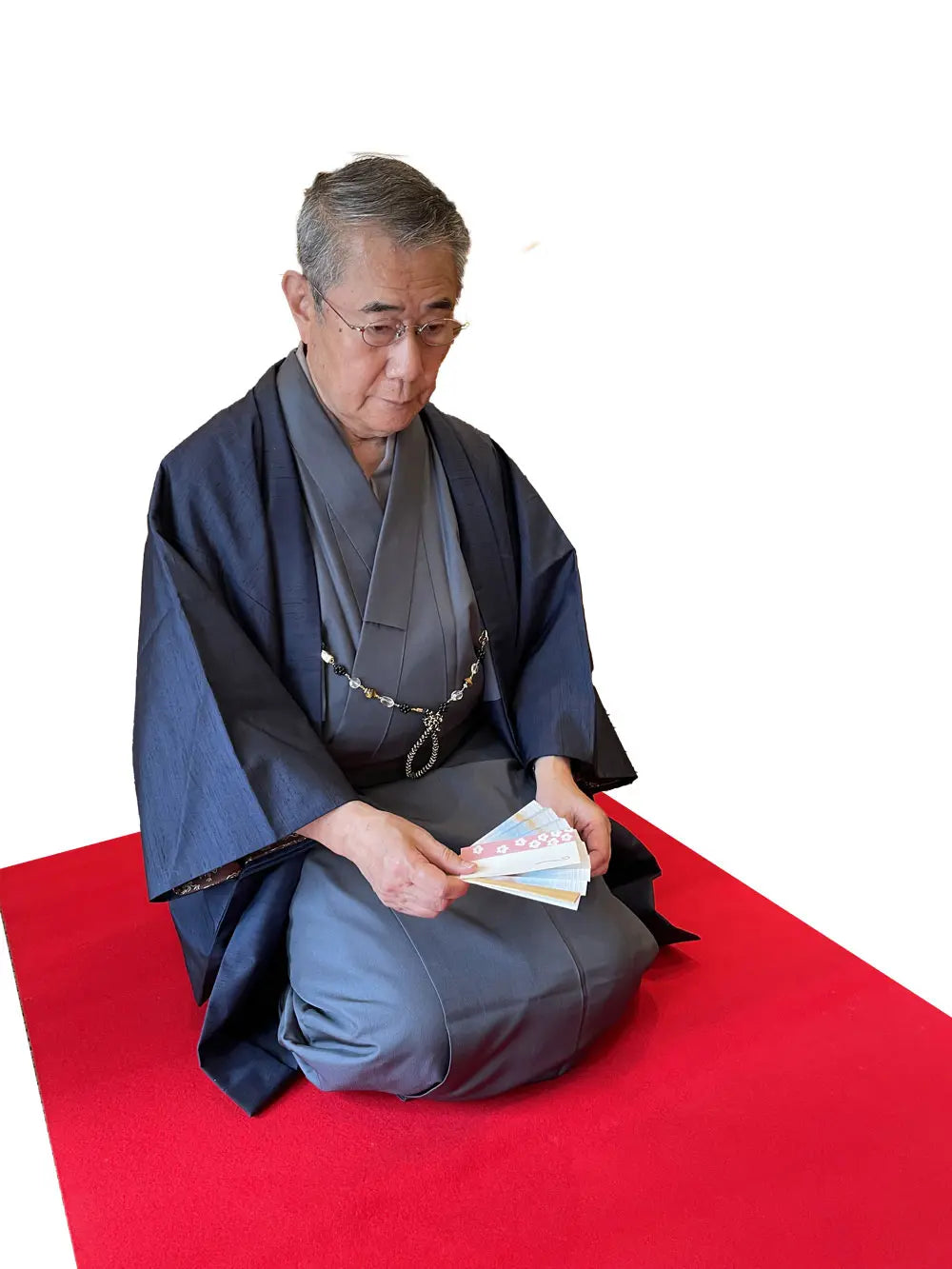
Title
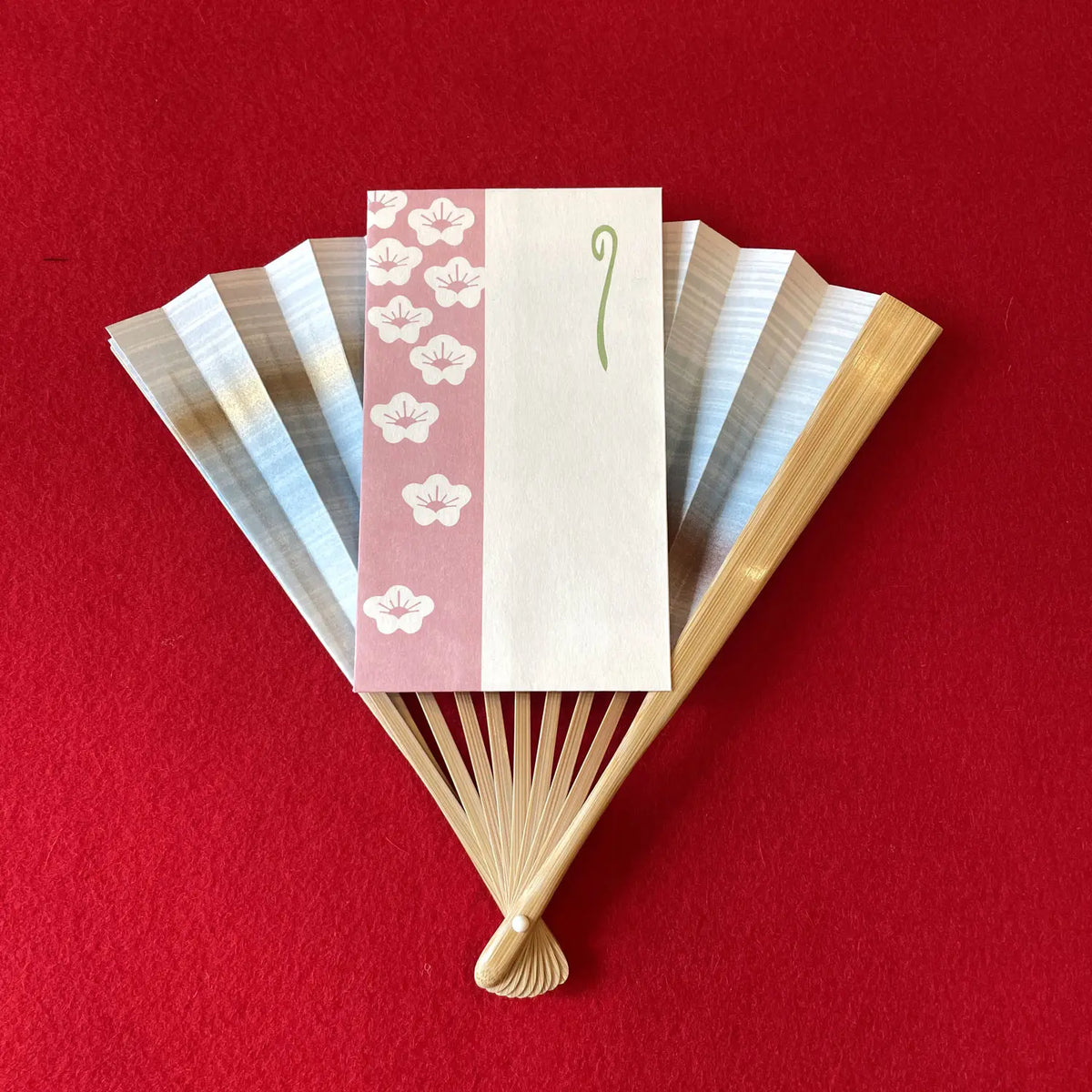
Gift Envelopes and Tea Fans
Founded in Tenshō 18 | “Ibasen,” folding fan long-established folding fan with a rich history
round fan has a cool and stylish look. With its strong airflow, it’s sure to come in handy on many occasions during the hot season. It’s also the perfect accessory to bring along when you go out wearing a yukata.
What is Ibasen?
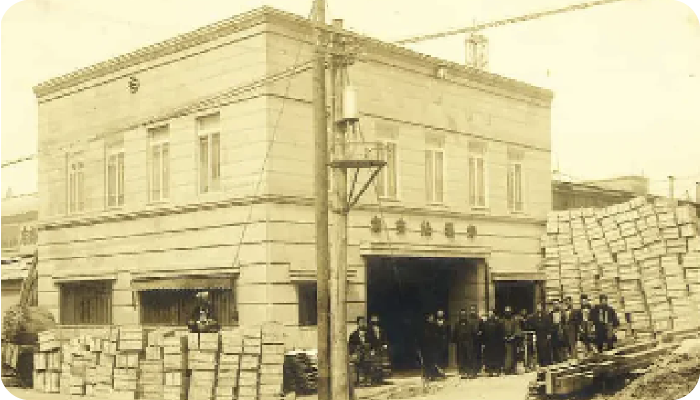
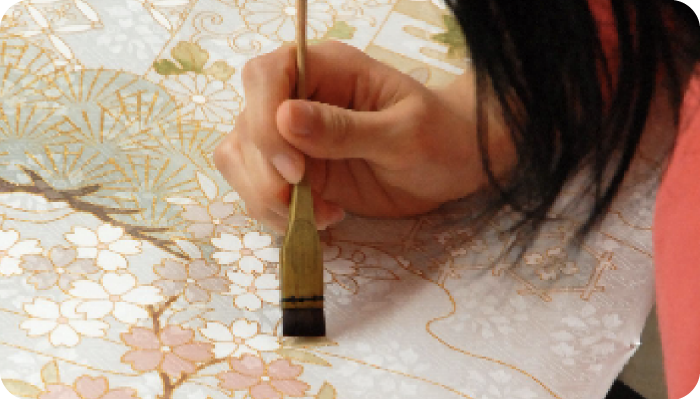
Ibasen is a long-established shop with a history of over 430 years, specializing in round fan, folding folding fan, and washi paper products. Our high-quality folding fan are crafted by skilled artisans using carefully selected domestic bamboo and washi paper. Since the mid-Edo period, we have been promoting the culture of a bygone era from our location in Nihonbashi.One of our greatest attractions is our extensive selection, ranging from Edo fan that showcase traditional craftsmanship to hand-towel folding fan featuring charming traditional designs. We invite you to enjoy our premium folding fan as refreshing fashion accessories or as thoughtful gifts for your loved ones on various occasions.
Characteristics folding fan Ibasen's folding fan
At Ibasen, we incorporate Edo-period culture into the designs and colors folding fan. This is because we aim to preserve the best of Japan’s traditional culture and Edo-period heritage through our products. As a former publisher of ukiyo-e prints, Ibasen has long produced items featuring the works of popular ukiyo-e artists such as Utagawa Hiroshige and Utagawa Kuniyoshi.Even today, in addition to traditional patterns and riddle-themed designs, we continue to create Edo fan featuring ukiyo-e motifs. We invite you to pick up folding fan Ibasen folding fan and experience for yourself the humor, rebellious spirit, and refined sensibility characteristic of the people of Edo.
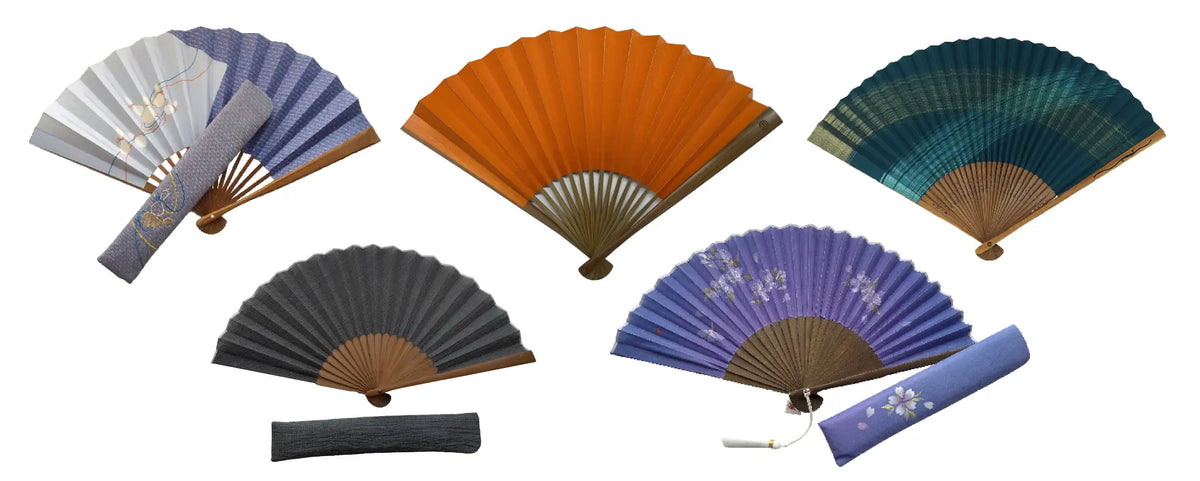
Be sure to bring a ceremonial fan to wear with your kimono at celebratory events.
So far, we’ve explained the characteristics and proper use of ceremonial fans. Ceremonial fans are formal folding fan used at celebratory events. For women, fans with a gold or silver background and black-lacquered ribs are typically used, while for men, white fans with bamboo ribs and a white background are the standard.At celebratory events such as weddings, the basic etiquette is to tuck the fan into the obi of your kimono and hold it in your hand when performing a standing bow.
Since their usage differs from everyday summer folding fan, be sure to familiarize yourself with the proper etiquette before attending a celebratory event. While formal kimono are available for rent, we recommend bringing your own ceremonial folding fan, as it is considered a symbol of good fortune. When selecting folding fan appropriate for a celebratory occasion, please feel free to consult with the long-established shop, Ibasen.