![[Personalisation only]Koza Sen Rakugofolding fan](http://www.ibasen.co.jp/cdn/shop/products/kouzaougi1.webp?v=1680504230&width=200)
![[Personalisation only]Koza Sen Rakugofolding fan](http://www.ibasen.co.jp/cdn/shop/products/kouzasen5.webp?v=1680504235&width=200)
![[Personalisation only]Koza Sen Rakugofolding fan](http://www.ibasen.co.jp/cdn/shop/products/kouzasen2.webp?v=1680504235&width=200)
![[Personalisation only]Koza Sen Rakugofolding fan](http://www.ibasen.co.jp/cdn/shop/files/DSC_0968_1_2.webp?v=1692685837&width=200)
![[Personalisation only]Koza Sen Rakugofolding fan](http://www.ibasen.co.jp/cdn/shop/files/DSC_0967_1_2.webp?v=1692685838&width=200)
![[Personalisation only]Koza Sen Rakugofolding fan](http://www.ibasen.co.jp/cdn/shop/products/kouzaougi1.webp?v=1680504230&width=1200)
![[Personalisation only]Koza Sen Rakugofolding fan](http://www.ibasen.co.jp/cdn/shop/products/kouzaougi1.webp?v=1680504230&width=800)
![[Personalisation only]Koza Sen Rakugofolding fan](http://www.ibasen.co.jp/cdn/shop/products/kouzasen5.webp?v=1680504235&width=1200)
![[Personalisation only]Koza Sen Rakugofolding fan](http://www.ibasen.co.jp/cdn/shop/products/kouzasen5.webp?v=1680504235&width=800)
![[Personalisation only]Koza Sen Rakugofolding fan](http://www.ibasen.co.jp/cdn/shop/products/kouzasen2.webp?v=1680504235&width=1200)
![[Personalisation only]Koza Sen Rakugofolding fan](http://www.ibasen.co.jp/cdn/shop/products/kouzasen2.webp?v=1680504235&width=800)
![[Personalisation only]Koza Sen Rakugofolding fan](http://www.ibasen.co.jp/cdn/shop/files/DSC_0968_1_2.webp?v=1692685837&width=1200)
![[Personalisation only]Koza Sen Rakugofolding fan](http://www.ibasen.co.jp/cdn/shop/files/DSC_0968_1_2.webp?v=1692685837&width=800)
![[Personalisation only]Koza Sen Rakugofolding fan](http://www.ibasen.co.jp/cdn/shop/files/DSC_0967_1_2.webp?v=1692685838&width=1200)
![[Personalisation only]Koza Sen Rakugofolding fan](http://www.ibasen.co.jp/cdn/shop/files/DSC_0967_1_2.webp?v=1692685838&width=800)
- Regular
- ¥9,570
- Sale
- ¥9,570
- Regular
Sold Out
- Unit Price
- Therefore
In recent years, rakugo has become a boom among young people due to popular manga and TV dramas.CDsand video clips are fine, but there is a special charm in attending a live performance at a rakugo theater, where you can enjoy the storytelling of a rakugo performer or comic storyteller. However, for beginners of Rakugo, Yose is an unknown world. There are probably many points of concern, such as how to buy tickets and etiquette. In this issue, we will introduce basic knowledge about Yose, etiquette and how to enjoy Rakugo for beginners.
If you’re interested in rakugo and find yourself thinking, “I’d love to hear it live!” then you should definitely visit a rakugo theater. First, let’s start with an overview of rakugo theaters.
A “yose” is a popular entertainment venue where traditional performing arts such as rakugo, manzai, and kōdan are performed. Written as “寄席” and pronounced “yose,” the term is an abbreviation of “yose-ba” or “yose-seki,” meaning “a place where people gather.”“Rakugo” refers to the performance art presented by rakugo storytellers, while “yose” refers to the venue where rakugo and other such performances are staged. The performance season at a yose is typically divided into three 10-day periods each month—the “Jōse” (Upper), “Chūse” (Middle), and “Shose” (Lower)—each featuring a different program.
It is often confused with “hall rakugo,” which is frequently held at cultural centers and similar venues, but yose are distinct from these. Hall rakugo refers to rakugo performances held in venues that also host concerts and plays. These events typically feature solo performances by a single rakugo storyteller or group performances by a master and his disciples.The main difference from yose is that yose performances take place in familiar, local venues, and allow you to fully savor the stories of a single rakugo performer. If you have a favorite rakugo performer, “hall rakugo” is also recommended, as it lets you fully appreciate both their artistry and their personality.
On the other hand, at a “yose,” numerous rakugo performers and entertainers take the stage one after another, allowing you to enjoy a varied program that includes kōdan (narrative storytelling), manzai (comedy duos), magic tricks, acrobatics, and paper-cutting.The show begins with a “maeza” (opening act) rakugo performance, moves briskly through “iro-mono” (variety acts) such as manzai and magic, and a “nitsume” (second-tier) rakugo performance, culminating with the “shinuchi” (master storyteller) as the headliner. If you’ve never been to a yose before, be sure to experience the unique atmosphere of this traditional entertainment venue.
Many people probably have the impression that rakugo theaters are exclusive and intimidating to attend. Here, we’ll cover the basics—such as ticket prices and how to purchase them—for those new to rakugo.
At traditional comedy theaters (yose), the admission fee is called “kidosen.” The typical price ranges from about 2,000 to 3,000 yen per person. Since prices may vary between matinee and evening performances (starting at 6:00 p.m.), be sure to check in advance. Generally, evening performances are more affordable.
No advance reservation is required to purchase tickets for a traditional comedy show. It is common to buy same-day tickets at the box office on the day of the performance. Also, since seats are usually unassigned, you can sit wherever you like in the order you arrive.
Yose theaters are generally open year-round. Performances are sometimes divided into time slots, such as matinee sessions from 12:00 PM to 4:00 PM and evening sessions from 5:00 PM to 9:00 PM. However, some yose theaters and performances do not have separate matinee and evening sessions, so be sure to check the theater’s website for the exact schedule.
There are a few etiquette guidelines and rules you should keep in mind to fully enjoy rakugo at a rakugo theater. Here, we’ll address some common questions you might have when planning to attend a rakugo performance.
There are generally no strict rules at a rakugo hall, so you can enjoy rakugo freely.There are no dress codes requiring traditional Japanese attire, so feel free to drop by in whatever you like. However, comments or behavior that disturb other audience members or performers are not allowed. Please observe the basic common sense and etiquette expected in public places—such as keeping your cell phone on silent mode and not speaking loudly.
At a traditional comedy theater (yose), you are generally free to come and go as you please. However, it is considered good etiquette to move to the gap between acts (the break between performances) when entering or exiting. Also, please note that once you leave the theater, you will often not be allowed to re-enter.
At a yose, you can generally enjoy food and drinks while watching the performances. Many venues have concession stands selling boxed lunches, and some yose even allow alcohol. However, please refrain from bringing items with strong odors or anything else that might disturb others, and be careful not to drink too much alcohol.
For those new to rakugo, we’ve provided some basic information about yose venues and answers to frequently asked questions.In addition to the four regular venues in Tokyo, there are also rakugo performances organized by individual schools. No reservations are required, and since there are generally no regular closing days, you can drop by whenever the mood strikes—which is another great perk. If you’ve developed an interest in rakugo, be sure to visit a venue and enjoy the performance while soaking up the atmosphere.
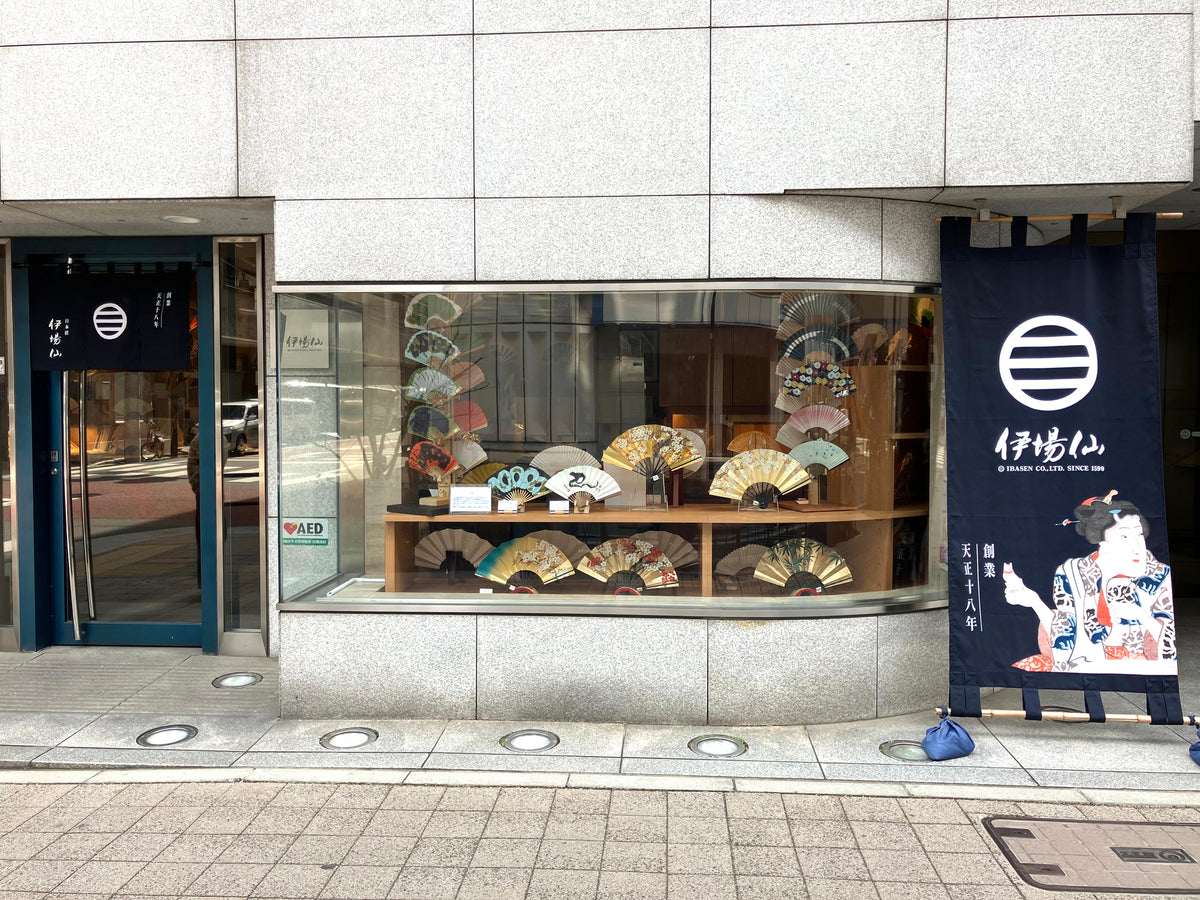
Address: 4-1 Nihonbashi-Kofunacho, Chuo-ku, Tokyo 103-0024
TEL: 03-3664-9261
FAX: 03-3664-9266
EMAIL: info@ibasen.com
Business Hours
: Monday–Saturday: 10:00 a.m.–6:00 p.m.
Closed: Sundays, national holidays, and year-end/New Year holidays
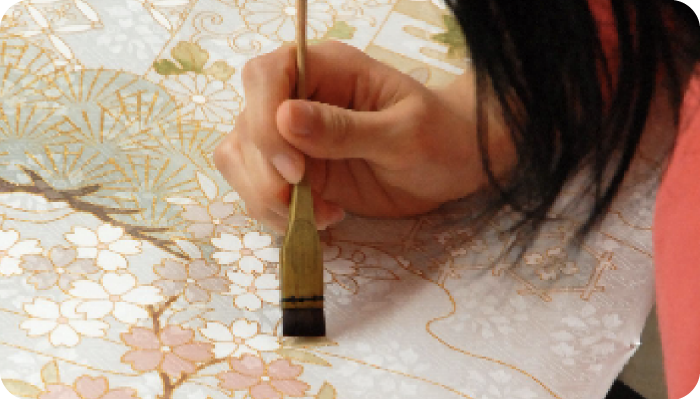
Artisanal Craftsmanship: We collaborate with artisans from across Japan who specialize in crafting folding fan and hand fans to produce and sell our original products and other items. We strive every day to help preserve Japan’s traditional craft culture.