The meaning of Suehiro, correct usage to keep in mind, and manners to be aware of.
In Japan, a shape that spreads out toward the end is called "suehiro" and is considered to be good luck. For example, the Chinese numeral "8" is an example of the word "suehigawari. Similarly, the shape of a fan spreading out is also considered to be "suehigawari,folding fanhas long been used as a lucky charm. In this issue, we will introduce the following items used for celebratory occasions.folding fanThis time, we will tell you about the "Suehiro (congratulatory fan)" used in celebratory occasions. We will also explain the meaning behind Suehiro, its correct usage, and manners at festive occasions, so please read on for reference.
The Meaning and Basics of Suehiro
What exactly is a “suehiro”? Although it is not used very often in daily life, the suehiro is an important accessory for traditional Japanese attire. First, we’ll explain the basics, including the meaning behind the suehiro, the occasions on which it is used, how to use it, and the different types of suehiro.
The Meaning Behind "Suehiro"
“Suehiro” refers to folding fan used for celebratory occasions. The name “Suehiro” derives from the fan’s shape, which widens toward the tips when folding fan.It carries an auspicious meaning, symbolizing a path that gradually opens up toward a happy future. For this reason, the Suehiro is considered a lucky charm representing “prosperity” and has long been used not only for celebratory occasions but also as gifts and commemorative items. It is also sometimes referred to as a “shugi-sen” (celebratory fan).
Situations in Which to Use a Suehiro
A suehiro is primarily used as a traditional Japanese accessory when wearing formal kimono for celebratory occasions. These days, it is most commonly seen at weddings.
For example, the black tomesode—the highest-level formal wear for married women—is traditionally worn by the mothers of the bride and groom at weddings. Additionally, the colored tomesode, which is semi-formal wear for women, is often worn by relatives such as the sisters of the bride and groom.The Suehiro is sometimes used when wearing these kuro-tomesode and iro-tomesode.
Furthermore, at weddings, a suehiro is sometimes used in conjunction with the black ha-niwa with five family crests (kuro-mon-tsuki), which is the formal attire for men. The kuro-mon-tsuki is a kimono often worn by the groom, the matchmaker, and the fathers of the bride and groom. When the wedding attire consists of traditional Japanese garments, the groom may also carry a suehiro.
Basic Ways to Use Suehiro
The Suehiro is generally left inserted in the obi. It is removed from the obi and held in the right hand only when necessary, such as during greetings. The Suehiro is used for greetings in situations involving both standing and seated bows. Holding the Suehiro conveys a formal impression appropriate for celebratory occasions.Details on how to insert and hold the suehiro will be covered later, so please be sure to read that section as well.
Types of Suehiro
There are differences between women’s and men’s suehiro.
Women’s Suehiro typically feature black-lacquered frames with a gold or silver-colored backing paper. There are various design variations, including those with black-lacquered sections decorated with gold accents, or those with gold or silver foil stamped onto a white background.Additionally, some women’s Suehiro fans feature slightly more casual designs. Suehiro fans with frame colors other than black or background paper colors other than gold or silver can be paired with a “hōmongi,” a semi-formal kimono.
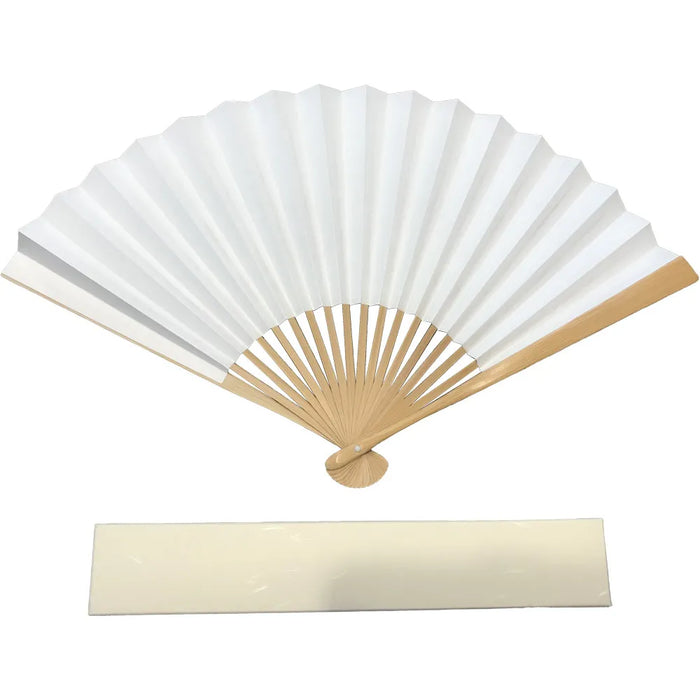
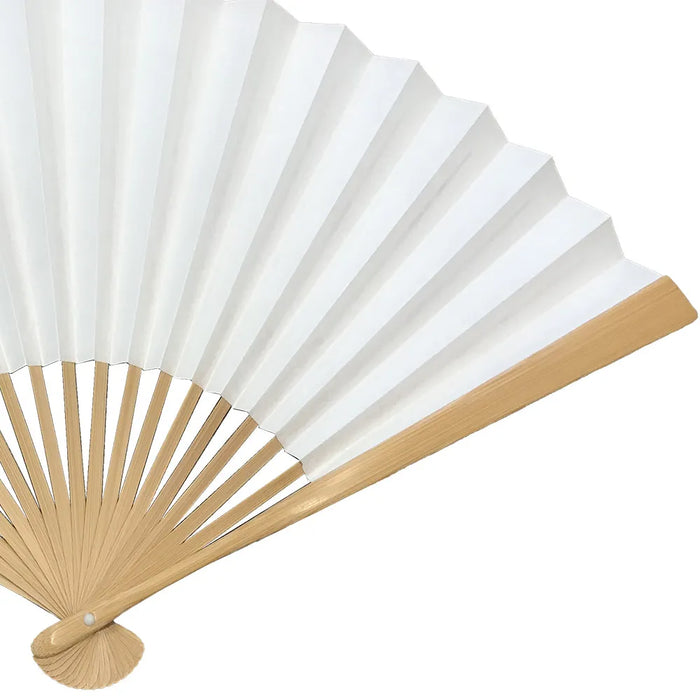
On the other hand, a typical example of a men’s suehiro is the “hakusen” (white fan), which features a bamboo frame and white paper. Among these, there is also the “morning fan,” which is designed to be easily paired with a morning coat—the formal attire for men—and is characterized by its versatility for use with both traditional Japanese and Western attire.
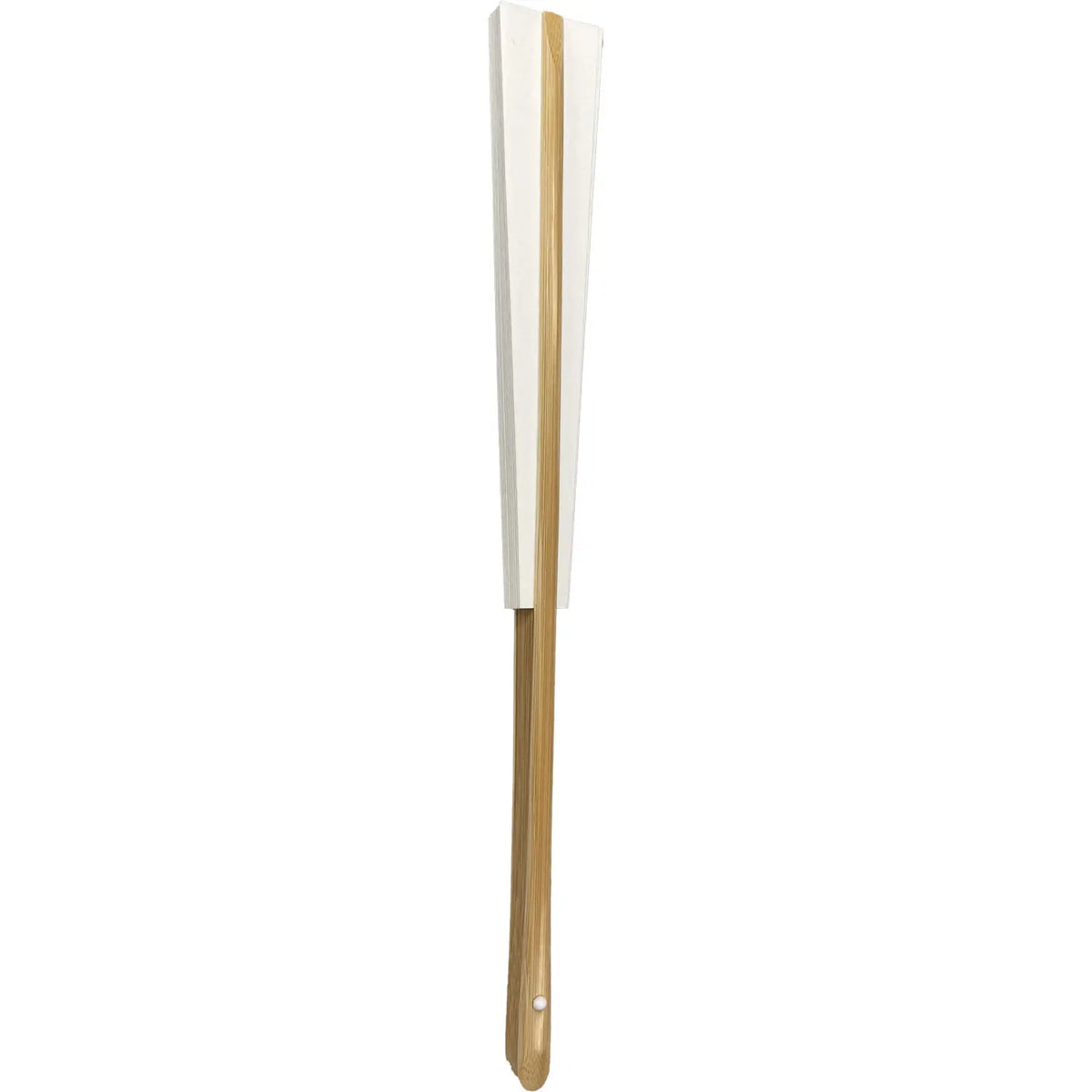
Hakusen
Men's Suehiro
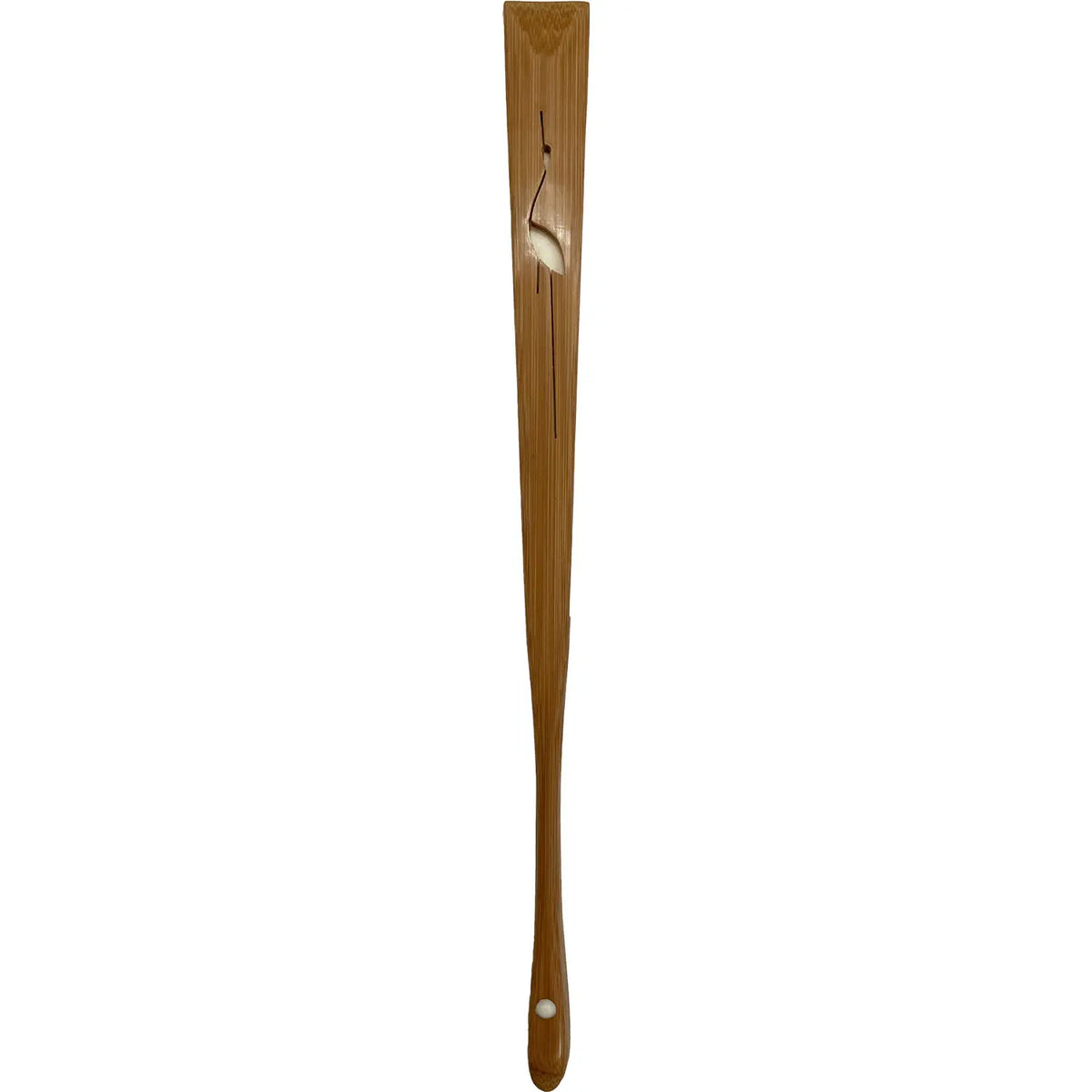
Morning Ogi
Crane Carving
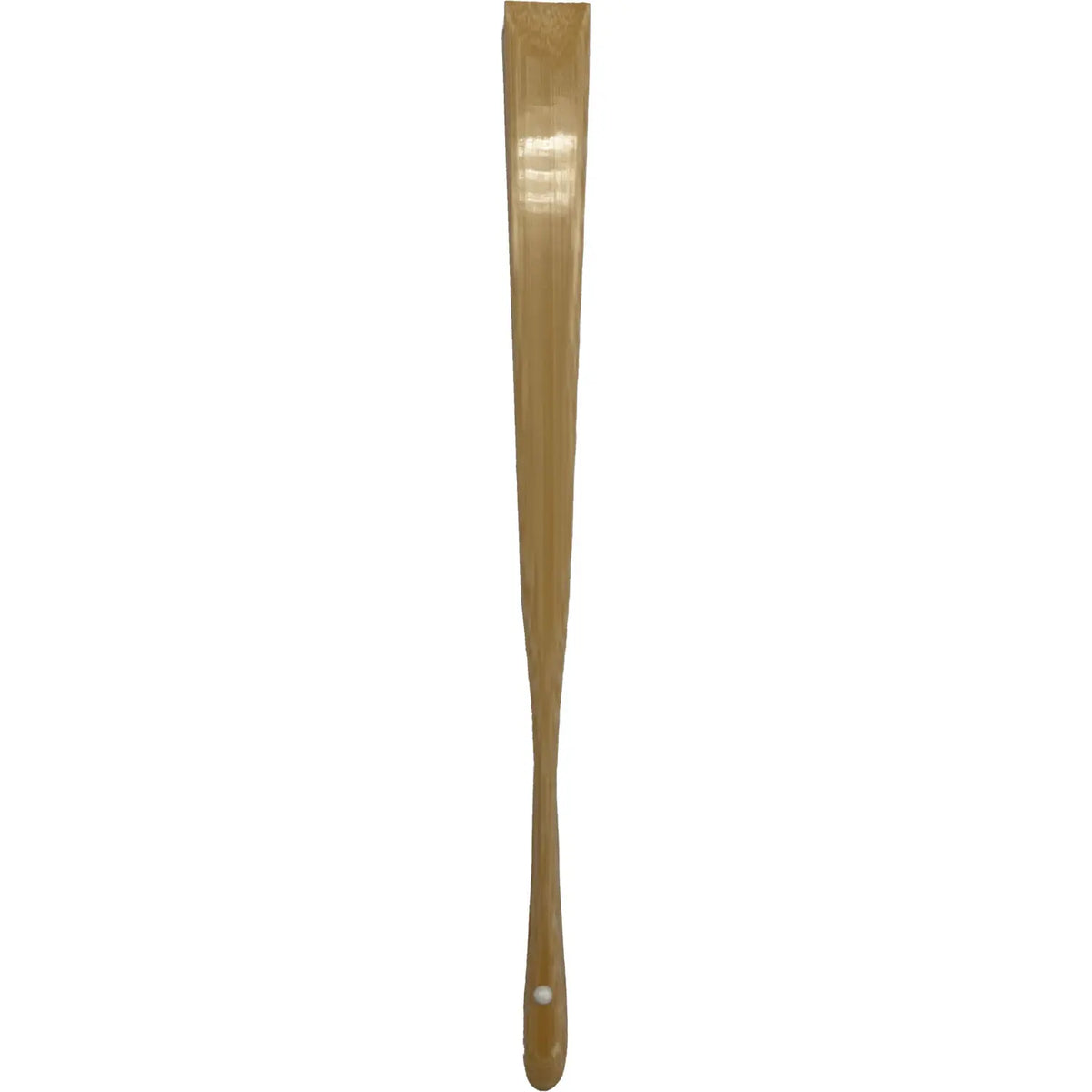
Morning Ogi
Men's Suehiro
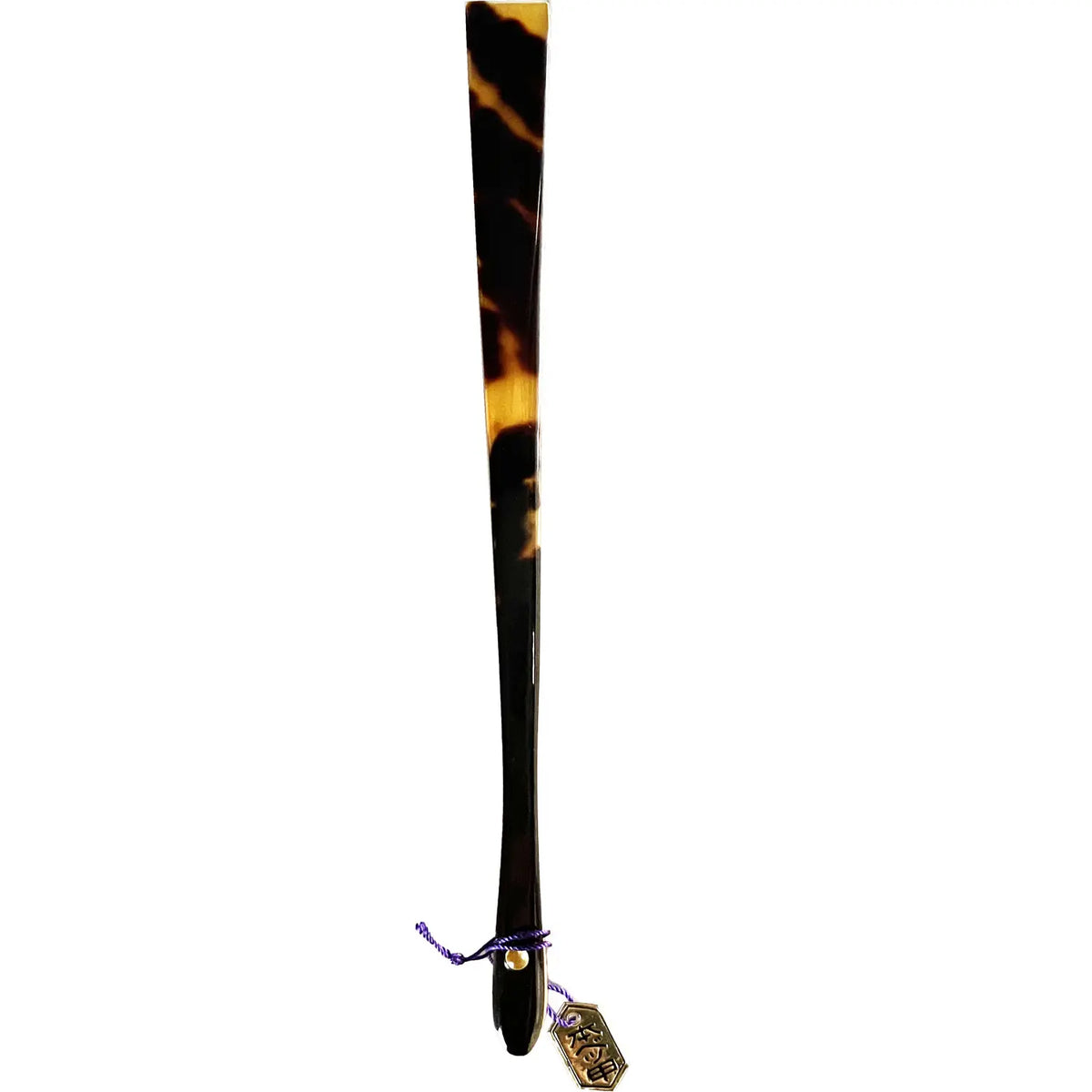
Genuine Tortoiseshell
Women's Suehiro
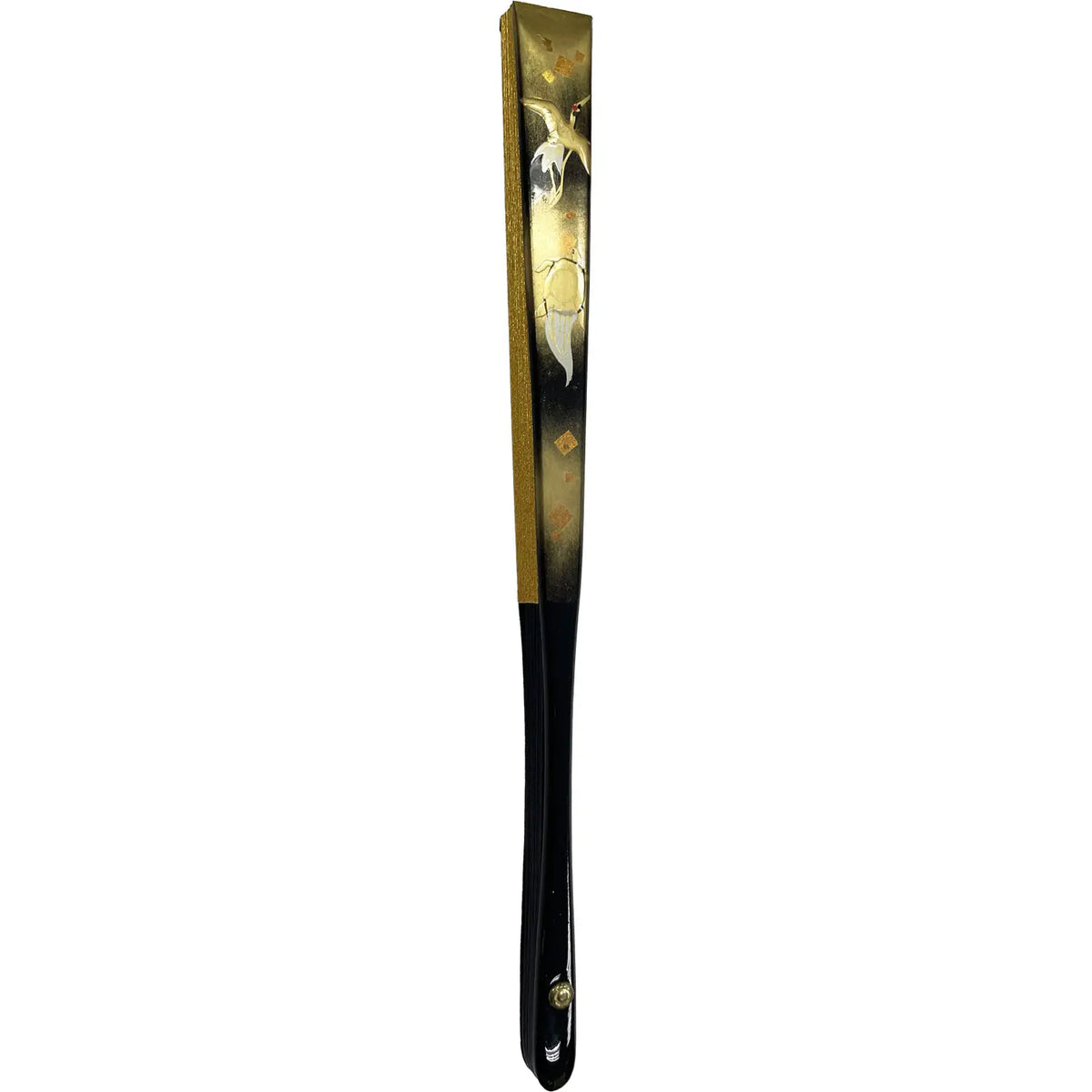
Hand-painted gold maki-e design featuring cranes and turtles for a black tomesode kimono
Front Side: Gold Surface
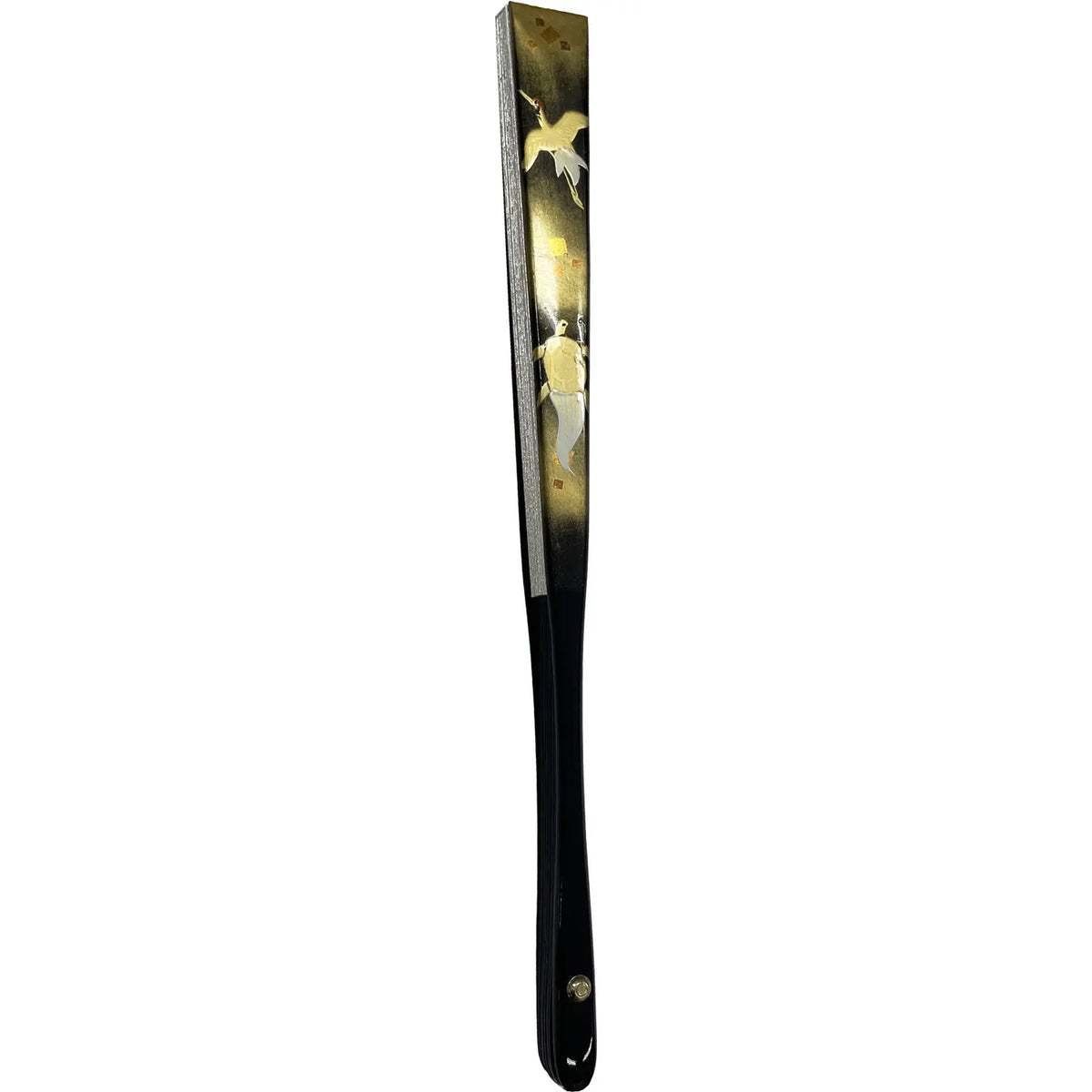
Hand-painted gold maki-e design featuring cranes and turtles for a black tomesode kimono
Back Side: Silver Surface
The Proper Way to Insert and Hold a Suehiro
When using a suehiro at celebratory events, such as weddings, be sure to know the proper way to insert and hold it. Here, we’ll provide a detailed guide on how to use the suehiro, an essential item for celebratory occasions.
The Proper Way to Insert a Suehiro
When inserting a suehiro folding fan into a woman’s kimono, hold folding fan with the opening side facing up and the paper side facing forward, then slip it between the obi and the obiage. Insert it on the left side of the body, ensuring that the tip of the suehiro protrudes about 2–3 cm from the obi.For men’s kimono, the fan is inserted between the kimono and the kaku-obi. As with women’s kimono, insert it on the left side of the body. The key is to insert it so that the paper backing is visible.
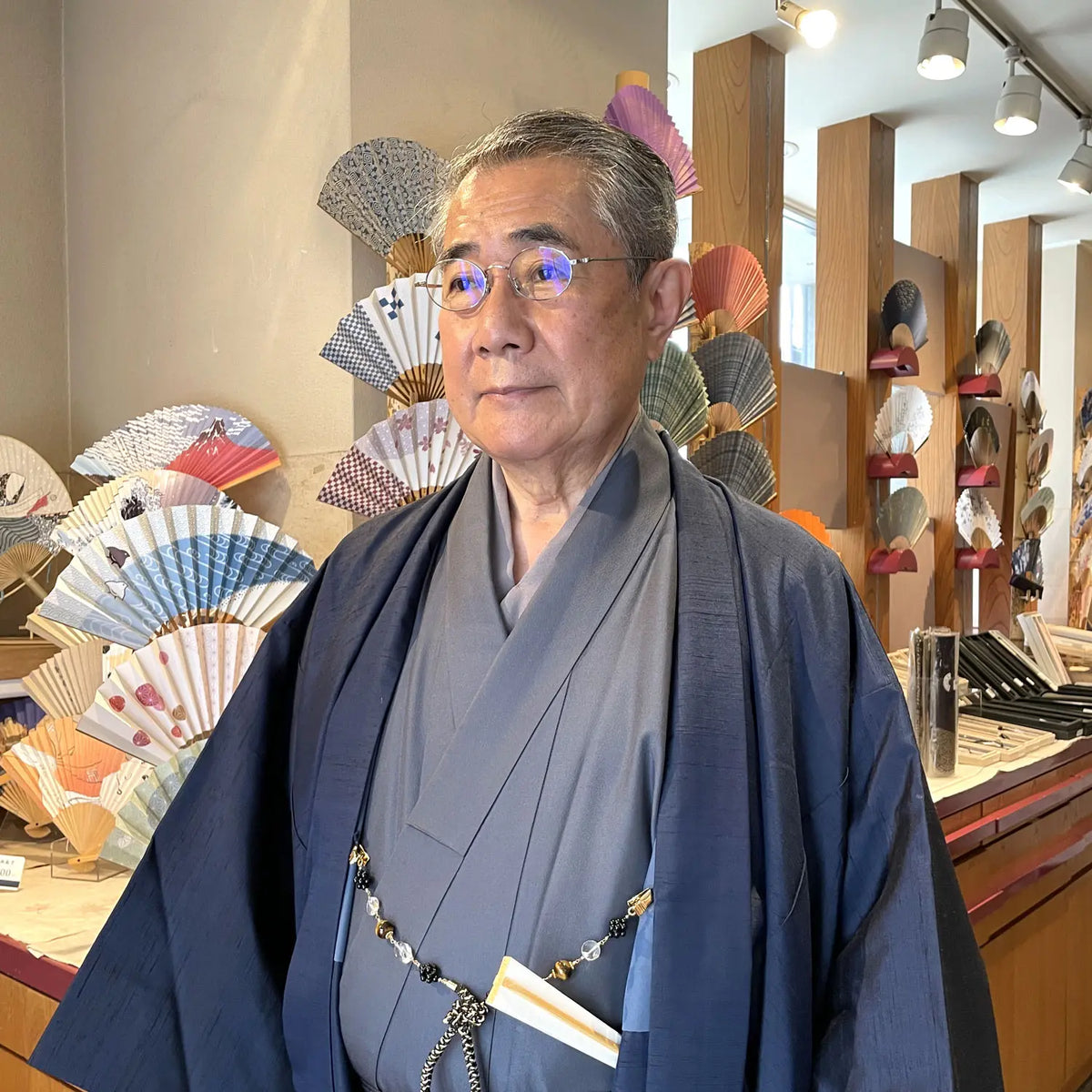
The Proper Way to Hold a Suehiro
The Correct Way to Hold a Suehiro
When holding a suehiro, first grasp the base of the fan with your right hand, placing your index finger along the outer rib. It’s best to hold the fan so that your four fingers—excluding your index finger—wrap around it. Next, place your left hand beneath the suehiro and hold it in front of your obi, at about the level of your navel.When using the suehiro for greetings, holding it this way while performing a standing bow creates a graceful appearance and conveys a sense of formality. If you are attending a wedding in traditional Japanese attire, you will likely have opportunities to hold the suehiro during various greeting occasions at the venue, so it’s reassuring to master the correct way to hold it in advance.
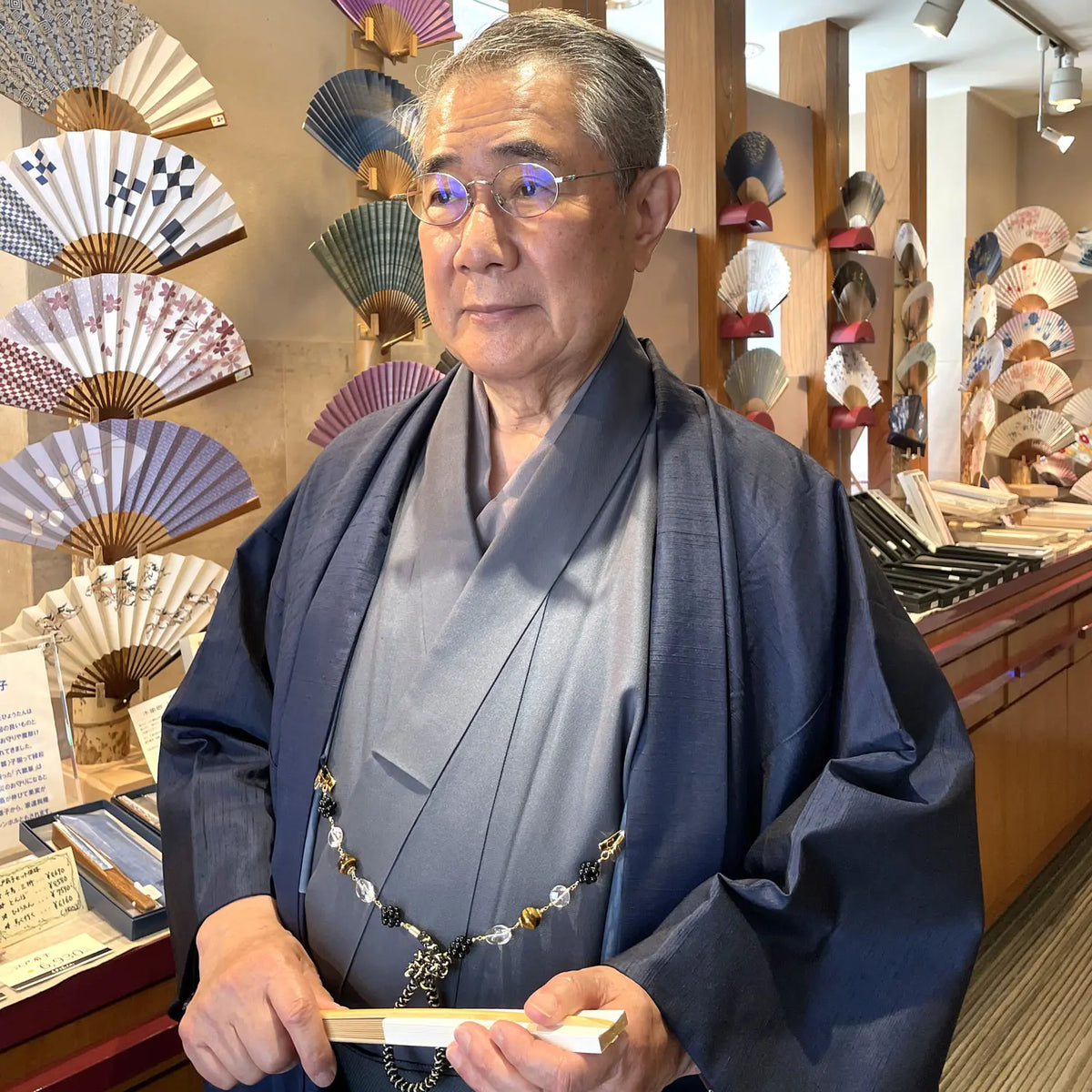
The Correct Way to Hold a Suehiro
Things to Avoid When Using a Suehiro
So far, we’ve explained how to use a Suehiro fan, but there are some points to keep in mind when using one at celebratory gatherings. One thing you should avoid is opening folding fan to fan yourself.
Since the Suehiro is primarily folding fan used for greetings and other ceremonial purposes during celebratory occasions, using it to cool off is considered a breach of etiquette. Using a Suehiro carries the meaning of showing respect to others during formal ceremonies. As it is strictly an accessory worn as part of formal attire for ceremonial purposes, please be careful not to use it in ways that deviate from its intended purpose.
Note that folding fan used to cool off while wearing a yukata or similar attire are generally called “folding fanatsufolding fan” (summer fans). Although both are folding fan, the purposes of natsu-zensu and Suehiro are completely different. If you are looking for traditional Japanese accessories while preparing for a celebratory occasion, please choose folding fan that suits your specific purpose.
Let’s convey our celebratory feelings with a “Suehiro” design, which carries a meaning of good fortune.
We’ve covered everything about folding fan “Suehiro” folding fan—used for celebratory occasions—from the meaning of the word to how it’s used. With its shape widening toward the tip, the Suehiro is considered a lucky charm imbued with auspicious meaning, as it evokes the image of prosperity.It is an accessory that has been used for celebratory occasions since ancient times, and even today, it remains an indispensable item for celebratory ceremonies, particularly weddings. The gesture of holding a suehiro while greeting others in traditional Japanese attire is exceptionally beautiful, and it adds a touch of formality to the formal kimono ensemble.
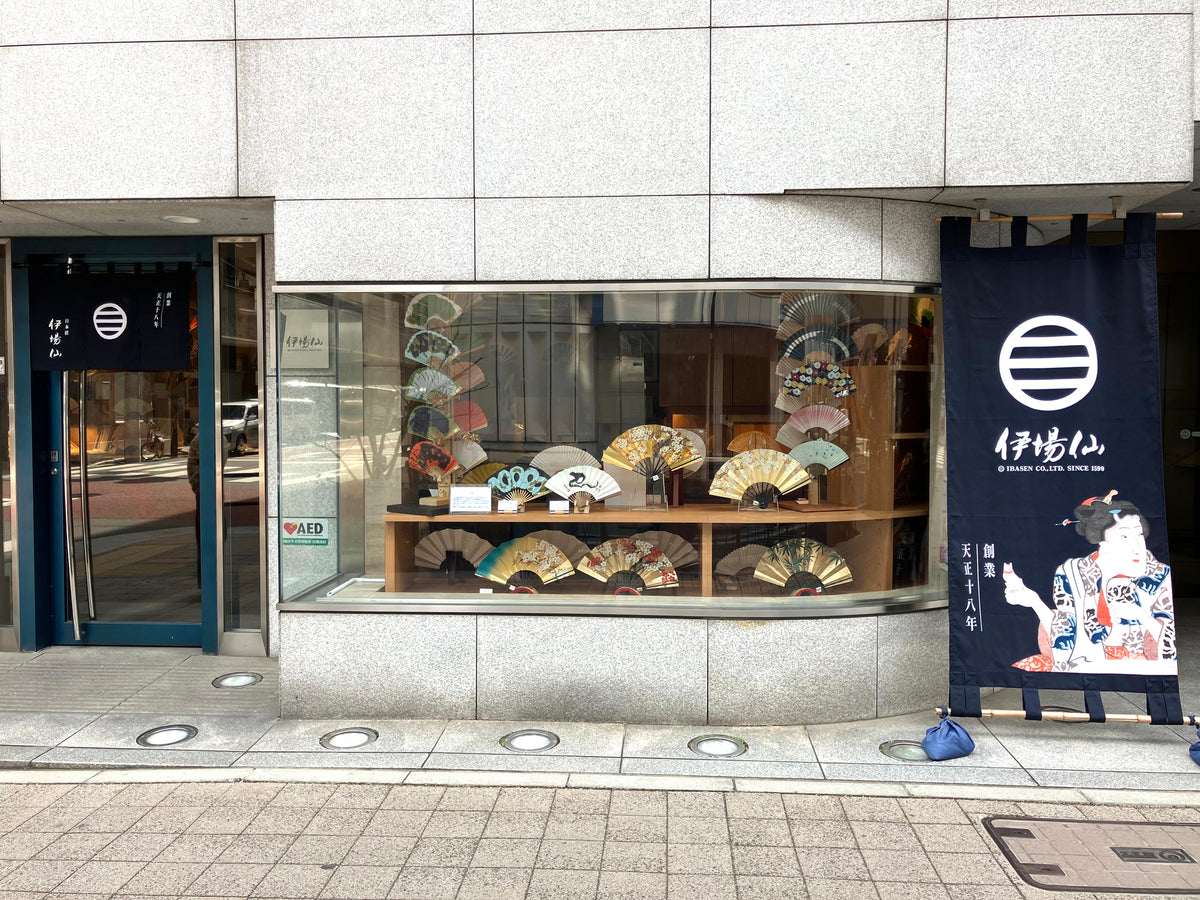
At the specialty store Ibasen, we carry suehiro (celebratory fans) suitable for use at celebratory events.While you can rent a Suehiro to pair with your formal kimono, we also recommend purchasing one to call your own. folding fan are auspicious items often chosen as commemorative gifts, and the Suehiro is particularly popular as a cherished memento of a loved one’s wedding. If you are looking for a Suehiro to complement your formal kimono, please feel free to Contact Us Ibasen.
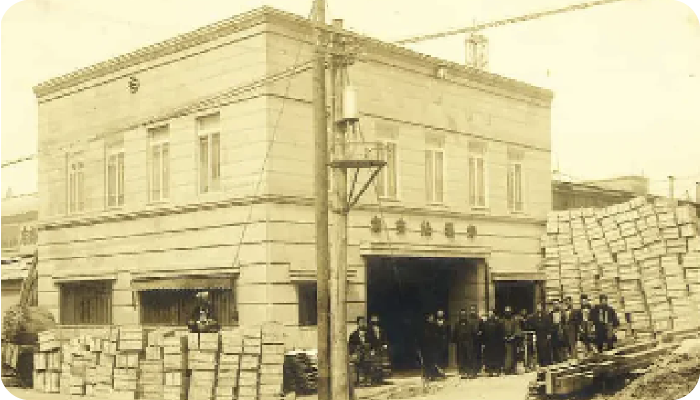
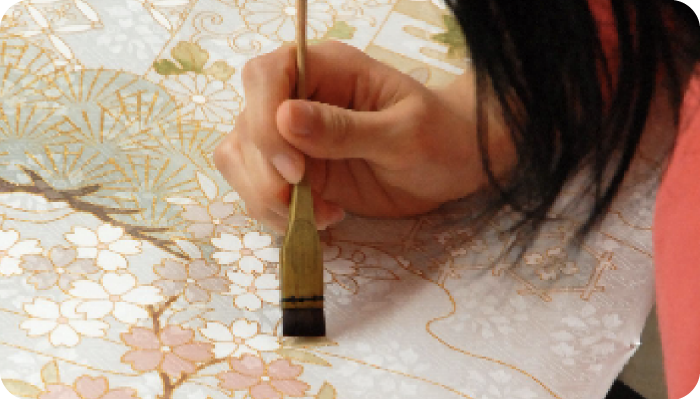
Ibasen is a long-established shop with a 400-year history. In addition to Suehiro fans, we carry a wide selection of folding fan and round fan, including Edo fan and decorative folding fan. As a specialty shop, we’re here to guide you in selecting the perfect fan for any occasion.Crafted by skilled artisans with meticulous attention to materials, folding fan are designed to be cherished for years to come. If you’re looking for a high-quality “Suehiro” fan, please visit Ibasen convenient online shop.
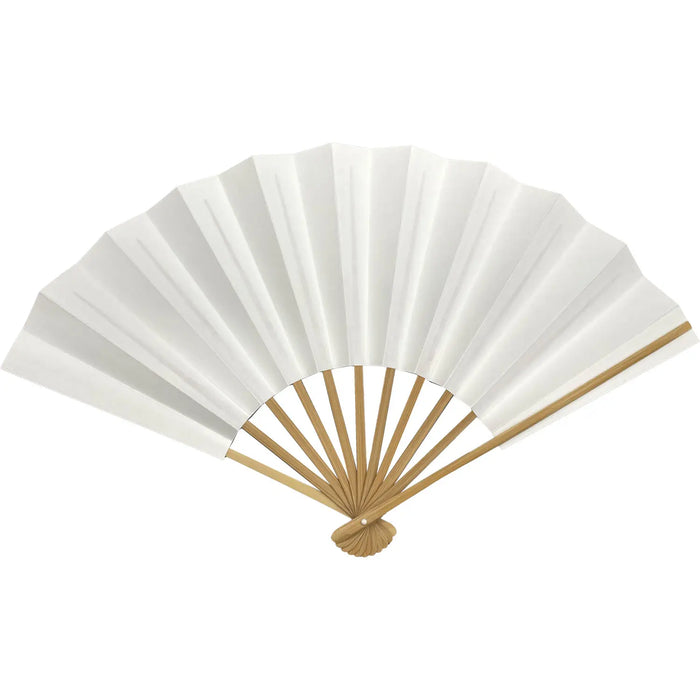
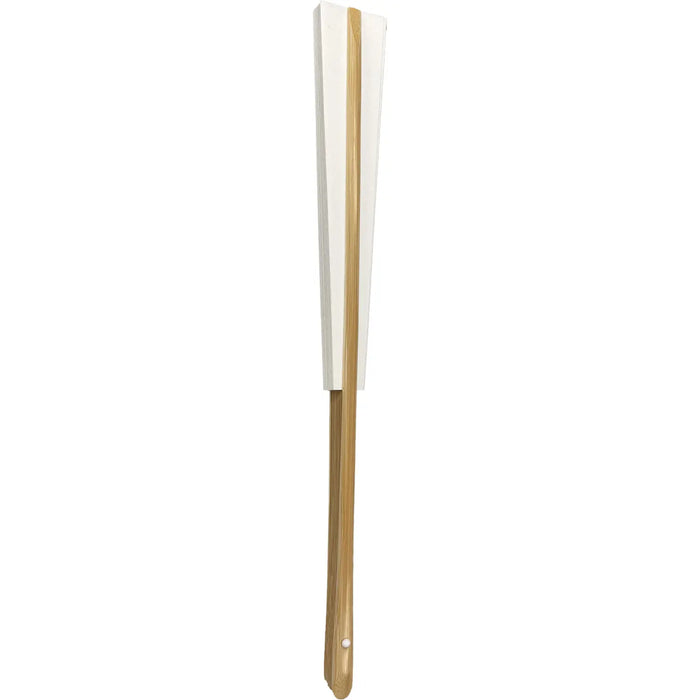
(white) fan
- Regular
- ¥3,960
- Sale
- ¥3,960
- Regular
-
- Unit Price
- Therefore
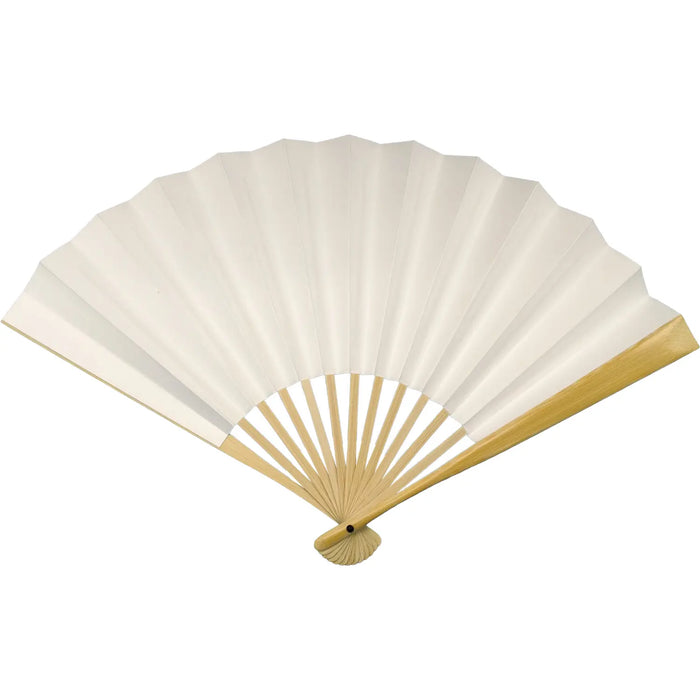
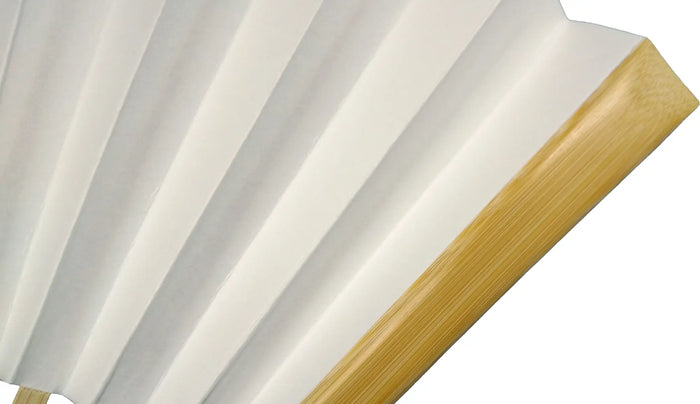
Shogi Fan
- Regular
- ¥5,170
- Sale
- ¥5,170
- Regular
-
- Unit Price
- Therefore
Koza Sen Rakugofolding fan
- Regular
- ¥5,170
- Sale
- ¥5,170
- Regular
-
- Unit Price
- Therefore
[Personalisation only](white) fan
- Regular
- ¥8,360
- Sale
- ¥8,360
- Regular
-
- Unit Price
- Therefore
[Personalisation only]Shogi Fan
- Regular
- ¥9,570
- Sale
- ¥9,570
- Regular
-
- Unit Price
- Therefore
[Personalisation only]Koza Sen Rakugofolding fan
- Regular
- ¥9,570
- Sale
- ¥9,570
- Regular
-
- Unit Price
- Therefore